Summary
- Members said public projects should not remain stuck for years because of delays in financial releases and demanded a clear way forward at the next meeting.
- The committee also found that several Radio Pakistan projects in Balochistan were facing operational problems.
- Officials said Radio Pakistan broadcasts in 18 languages overall, while members questioned why Brahui was not being broadcast from Islamabad.
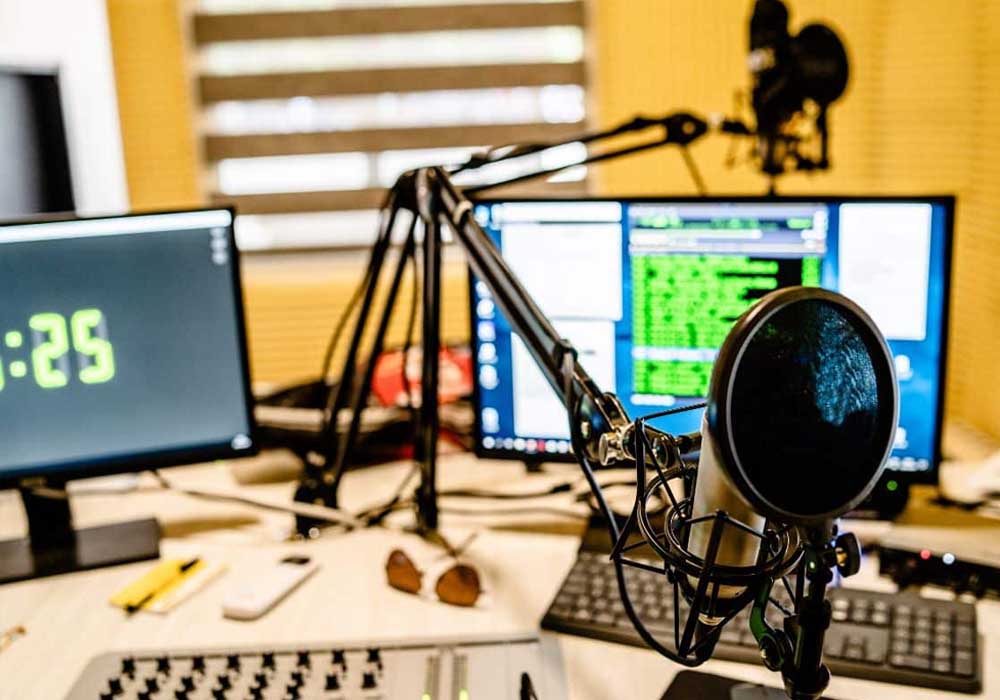
Islamabad: A Pakistan Broadcasting Corporation project at Landhi in Karachi has remained incomplete for nearly 20 years, despite equipment delivery years ago, repeated demands for funds and millions of rupees already spent. This prompted the National Assembly Standing Committee on Information and Broadcasting to demand answers from the Finance and Planning authorities.
The Landhi shortwave project was first conceived in 2006 and approved in 2009, but it was still incomplete in 2026. Officials told the committee that the transmitter had been delivered by 2008 and the antenna had arrived by 2014. The final release of funds came in June 2016, when Rs38 million was released for civil renovation and installation work.
The project then suffered further delays. Officials said the foundation and tower work was completed by 2018, but the original company involved in the equipment had by then split into two companies. The long delay also raised questions about whether equipment supplied many years earlier would still be technically fit for operation.
The committee was told that the government has now engaged a local firm under revised terms to complete installation within 11 months. However, the committee raised another major concern. An original equipment manufacturer is also expected to inspect the transmitter, identify faulty components and provide a cost estimate for replacements. The cost of this survey alone was stated to be Rs16 million.
Members questioned why another lengthy process was starting when the project had already consumed so many years. They warned that the survey could identify more equipment problems, after which additional money and time would be needed before the actual work could move forward.
The funding problem was also placed before the committee. Officials said the original PSDP allocation for their projects was Rs6 billion but was later reduced to Rs3 billion. They added that the first release of funds came after eight months. The officials said they repeatedly requested fuller and timely releases from the Planning and Finance Divisions because the equipment for such projects must arrive and work together.
Committee members expressed anger over the situation and questioned whether a project planned in 2006 would still provide the same benefit in 2026. They said technology had changed rapidly during the long delay and warned that valuable public money and time could have been wasted.
Members also questioned the responsibility of officials involved in the prolonged delay. They referred to a committee formed to fix responsibility and demanded that its report be shared. One member described the case as an example of poor planning and failure of vision by both the broadcasting organisation and the ministry.
The committee decided to summon the Finance and Planning Divisions to explain why funds were not released on time. Members said public projects should not remain stuck for years because of delays in financial releases and demanded a clear way forward at the next meeting.
The committee also found that several Radio Pakistan projects in Balochistan were facing operational problems. Under the Sound of Quran project, 10 FM stations were planned in Balochistan and eight had been installed, while the remaining work was said to be almost complete. Test transmissions were running in Zhob and Qalat, but some stations could not become fully operational because of security and other operational problems.
Officials said the Sound of Quran transmission would eventually run for about 19 and a half hours with translation. They also said staff shortages and security conditions were making work difficult in some areas. In one location, staff were being sent on temporary assignments because personnel could not remain there continuously.
The committee also raised concerns about coverage of regional languages. Officials said Radio Pakistan broadcasts in 18 languages overall, while members questioned why Brahui was not being broadcast from Islamabad. They pointed out that Brahui is spoken by more than one crore people in Sindh and Balochistan and is also taught at universities. The officials agreed to examine the issue and report back.
Another major concern was the failure to approve a Rs1.5 billion solarisation project for Radio Pakistan. Officials said 10 projects had been proposed but none had been approved, including the solar energy project. Members argued that solar power could reduce the pressure caused by electricity problems in remote areas and help keep radio stations operating.
The committee asked Radio Pakistan to prepare a clear three year and five year plan explaining how it would improve its capacity and increase its own financial resources instead of depending heavily on government funding every year. Members also urged the broadcaster to adjust its services to changing public needs by providing useful local information such as traffic and weather updates along with its regular programming.
The committee also raised concerns about the condition of the old Radio Pakistan building in Hyderabad and called for a visit to examine its condition and funding needs. Members said several historic features and cultural assets connected with the institution required attention and proper care.
The meeting ended with members demanding greater seriousness from government departments in completing old projects, releasing funds on time and ensuring that public money produces a useful result instead of leaving projects stuck for years.
We welcome your contributions! Submit your blogs, opinion pieces, press releases, news story pitches, and news features to opinion@minutemirror.com.pk and minutemirrormail@gmail.com