Summary
- Islamabad: Pakistan’s electric vehicle industry has recorded a sharp rise in production, with annual output increasing from 7,345 units in 2021 to 2022 to 210,268 units in 2025 to 2026.
- Officials briefed the committee that Pakistan was working under the National Electric Vehicle Policy 2020 and the Auto Industry Development and Export Policy 2021 to 2026.
- The committee also focused on the need to prepare skilled workers for the growing electric vehicle industry.
Islamabad: Pakistan’s electric vehicle industry has recorded a sharp rise in production, with annual output increasing from 7,345 units in 2021 to 2022 to 210,268 units in 2025 to 2026. However, the country’s auto policy is still awaiting final approval, raising concerns in the Senate that delays are creating difficulties for the automobile industry.
The Senate Standing Committee on Industries and Production expressed concern over the delay, saying the auto industry was facing challenges because the policy had not been finalised. Officials informed the committee that the draft policy would be sent to the Ministry of Finance and shared with the International Monetary Fund (IMF).
The committee reviewed the electric vehicle sector under the chairmanship of Senator Saleem Mandviwalla at Parliament House. The meeting was attended by Senators Khalida Ateeb, Husna Bano and Anusha Rahman.
Officials briefed the committee that Pakistan was working under the National Electric Vehicle Policy 2020 and the Auto Industry Development and Export Policy 2021 to 2026. The national target is to achieve 30 percent electric vehicle use by 2030 across motorcycles, three wheelers, cars and buses.
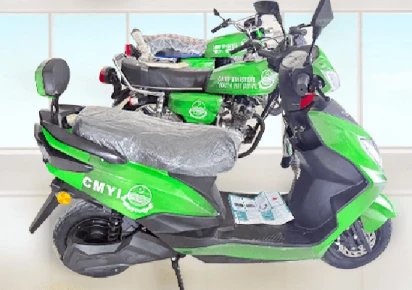
More than 290,000 electric bikes have already been manufactured locally, with support from over 85 licensed local assemblers. The production figures presented to the committee show a major increase, from 7,345 units in 2021 to 2022 to 210,268 units in 2025 to 2026.
The committee was also briefed on the tax structure for electric vehicle imports and local manufacturing. Customs duty stands at 15 percent for completely knocked down kits that are not localised and 46 percent for localised kits. A one percent customs duty applies to certain electric vehicle components.
Under the announced incentives, batteries, motors, converters and chargers are subject to one percent customs duty until June 30, 2027. Locally assembled electric two wheelers and three wheelers face a one percent sales tax, while imported electric two wheelers and three wheelers have been given a sales tax waiver.
Despite the increase in production and tax incentives, the committee stressed that the delay in finalising the auto policy needed attention. Members were concerned that the automobile industry was facing uncertainty while approval remained pending.
The committee also focused on the need to prepare skilled workers for the growing electric vehicle industry. Senator Anusha Rahman called on regulatory authorities to play a stronger role in shaping policy and ensuring that manufacturers provide proper technical training.
She suggested that Pakistan learn from China, where vocational training centres are linked with electric vehicle manufacturing units. The idea is to train students according to the skills actually needed by factories.
The committee stressed that manufacturers should be required to establish proper training facilities and update their courses in cooperation with organisations such as the National Vocational and Technical Training Commission (NAVTTC) before receiving commercial licences.
Members also recommended sending a team working on the Auto Industry Development and Export Policy to China to inspect its vocational training facilities. They said local industry representatives should be included in policy discussions to support technology transfer and strengthen manufacturing inside Pakistan.
We welcome your contributions! Submit your blogs, opinion pieces, press releases, news story pitches, and news features to opinion@minutemirror.com.pk and minutemirrormail@gmail.com