Summary
- ISLAMABAD: Pakistan’s five major oil refineries are set to sign agreements under the government’s Brownfield Refinery Upgradation Policy early next month, paving the way for an estimated $6 billion investment in the country’s refining industry.
- Petroleum Minister Ali Pervaiz Malik held separate meetings with the managements of the five refineries in Karachi to review progress on the upgradation programme, operational performance and measures aimed at strengthening Pakistan’s energy security.
- With the five refineries now preparing to formalise their agreements, the government expects the programme to unlock billions of dollars in investment and accelerate the transformation of Pakistan’s ageing refining infrastructure.
ISLAMABAD: Pakistan’s five major oil refineries are set to sign agreements under the government’s Brownfield Refinery Upgradation Policy early next month, paving the way for an estimated $6 billion investment in the country’s refining industry.
The Petroleum Division said on Friday that the managements of Pak-Arab Refinery Limited (PARCO), Pakistan Refinery Limited (PRL), National Refinery Limited (NRL), Cnergyico and Attock Refinery Limited (ARL) had completed preparations and expressed readiness to sign the agreements.
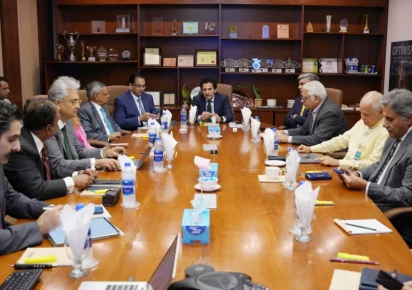
Petroleum Minister Ali Pervaiz Malik held separate meetings with the managements of the five refineries in Karachi to review progress on the upgradation programme, operational performance and measures aimed at strengthening Pakistan’s energy security.
The minister said modernising existing refineries was essential for creating a more sustainable and efficient refining sector. Under the planned upgrades, refineries will be able to produce Euro-V compliant petrol and diesel locally, potentially reducing Pakistan’s dependence on imported fuel.
The government expects domestic production of higher-quality fuels to improve supply security and reduce exposure to international fuel markets. Malik directed relevant authorities to facilitate the refineries in resolving implementation-related issues and ensure that the agreements are signed without further delays.
During his meeting with PARCO, the minister reviewed the company’s financial and operational performance as well as its plans for strengthening the country’s energy supply chain. He also praised the company for maintaining operations during the Strait of Hormuz crisis, stressing the importance of uninterrupted petroleum supplies and resilient supply networks.
The minister was also briefed on the proposed Oil City project in Hub, which is planned as a major energy terminal and storage facility. The project is expected to improve petroleum storage, supply reliability and trade connectivity while supporting broader economic activity.
At PRL, the company’s management briefed Malik on its financial position and operational measures taken to maintain refinery activities during the regional supply disruption. Similar discussions were held with Cnergyico, NRL and ARL, where the managements highlighted the steps taken to prepare for the implementation of the new policy.
The development follows amendments approved by the Cabinet Committee on Energy in July to the Pakistan Oil Refining Policy 2023. The revised framework is designed to encourage existing refineries to modernise their facilities, increase production of Euro-V standard fuels and reduce the output of furnace oil and other lower-value petroleum products.
The government has described refinery modernisation as a strategic priority for national energy security. Officials believe greater domestic production of cleaner fuels could also help reduce air pollution and improve compliance with evolving environmental standards.
The policy changes followed prolonged disagreements between the government and refinery operators over the terms of upgrade agreements and financial incentives. A major point of contention was deemed duty protection, which industry representatives argued was necessary to make large-scale refinery investments financially viable.
Refinery operators had also raised concerns over additional tax-related costs and delays in finalising upgrade agreements. The government, meanwhile, maintained that the revised framework was necessary to move the sector towards greater efficiency and international fuel standards.
With the five refineries now preparing to formalise their agreements, the government expects the programme to unlock billions of dollars in investment and accelerate the transformation of Pakistan’s ageing refining infrastructure.
We welcome your contributions! Submit your blogs, opinion pieces, press releases, news story pitches, and news features to opinion@minutemirror.com.pk and minutemirrormail@gmail.com