Summary
- Restrictions imposed on women and girls in Afghanistan have sharply reduced their participation in public life, with more than half of surveyed women saying they now leave their homes only once or twice a month, according to a new UN Women assessment.
- UN Women said Afghanistan remains the only country where girls are barred from secondary education and women are prohibited from attending universities.
- UN Women said the restrictions have also contributed to growing concerns about women’s mental health.
Restrictions imposed on women and girls in Afghanistan have sharply reduced their participation in public life, with more than half of surveyed women saying they now leave their homes only once or twice a month, according to a new UN Women assessment.
The findings were released as Afghanistan approaches the fifth anniversary of the Taliban’s return to power in August 2021.
UN Women said Afghanistan remains the only country where girls are barred from secondary education and women are prohibited from attending universities.
The agency said the restrictions have increasingly affected women’s freedom of movement, education, employment and access to public life.
More than half of the women surveyed reported leaving home no more than twice a month. Nearly three-quarters said they did not feel safe going outside without a male guardian, commonly referred to as a mahram.
UN Women said the restrictions have also contributed to growing concerns about women’s mental health.
Around seven out of 10 women surveyed described their mental health as either “bad” or “very bad”. Respondents cited social isolation, reduced opportunities and limited access to support networks among the factors affecting their wellbeing.
The UN agency said Taliban authorities have introduced more than 100 decrees affecting women and girls since returning to power. It described the measures as creating a system of discrimination and said Afghanistan had become an extreme global example of restrictions on women’s rights.
The Taliban maintain that their policies respect women’s rights under their interpretation of Islamic law and Afghan culture.
Education remains heavily restricted
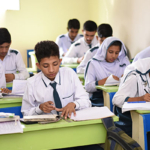
The restrictions on education have affected millions of Afghan girls.
UNESCO estimated that about 2.4 million girls have been prevented from attending secondary school since the Taliban returned to power.
Women and girls have also been excluded from university education, limiting their opportunities to pursue professional careers and higher education.
UN Women said recent measures had further weakened legal protections available to women.
According to the agency, rules introduced this year reduced legal equality between men and women, strengthened the authority of men within marriage and created additional difficulties for women seeking divorce.
Women largely excluded from workforce
Economic participation remains another major challenge.
UN Women reported that only about 7% of Afghan women are employed, compared with approximately 84% of men.
The agency said the restrictions on education and employment were limiting women’s ability to earn income, develop careers and contribute to the country’s economy.
The findings were based on a door-to-door survey involving 2,190 people conducted between February and March 2025. The agency also conducted telephone interviews with 2,811 people between April and May 2025.
UN Women warned that continued restrictions could further isolate women and deepen the social and economic consequences of excluding half of Afghanistan’s population from public life.
The Taliban government has not immediately responded to requests for comment on the latest findings.
We welcome your contributions! Submit your blogs, opinion pieces, press releases, news story pitches, and news features to opinion@minutemirror.com.pk and minutemirrormail@gmail.com