Summary
- Medical experts and international humanitarian agencies are warning that the aftermath of Venezuela’s devastating twin earthquakes could ignite a massive secondary health crisis.
- Trauma specialists in Caracas reported that whilst acute, complex physical injuries remain a priority, emergency medical personnel are now battling a surge in secondary infections amongst survivors who have faced prolonged exposure to the elements.
- Over 50 international search-and-rescue teams have arrived from across the globe, including deployment units from Vietnam and Ecuador, to locate remaining survivors amidst destruction that volunteer networks describe as akin to an active conflict zone.
Medical experts and international humanitarian agencies are warning that the aftermath of Venezuela’s devastating twin earthquakes could ignite a massive secondary health crisis. Tens of thousands of displaced citizens are currently residing in severely overcrowded temporary shelters or outdoors, entirely lacking access to clean water and sanitation. According to official figures released on Wednesday, the June 24 disasters have claimed at least 2,295 lives, left more than 11,000 injured, and left upwards of 70,000 people missing under the debris. Trauma specialists in Caracas reported that whilst acute, complex physical injuries remain a priority, emergency medical personnel are now battling a surge in secondary infections amongst survivors who have faced prolonged exposure to the elements.
In the hard-hit region of La Guaira, frontline aid workers have documented a rapid spike in waterborne illnesses and diarrhoea due to the breakdown of fundamental sanitation infrastructure. Displaced families are urgently requesting portable toilets and state intervention to reorganise shelter layouts to curb disease transmission. The material destruction across the country is estimated to exceed $6.7 billion, according to a satellite analysis published by the United Nations Development Programme.
The compounding disaster has severely exposed the vulnerabilities of a public healthcare system already crippled by years of severe economic instability. Prior to the seismological crisis, approximately one-third of Venezuela’s 60,000 registered physicians had departed the country. National healthcare assessments from 2025 revealed critical shortages, including a 30 percent deficit in basic emergency room stock and a 70 percent shortage of essential surgical supplies in operating theatres, leaving public laboratories largely non-functional.
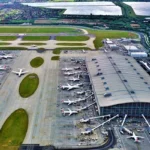
In response to the emergency, an extensive international relief operation has mobilised on the ground. The United States military’s Southern Command (SOUTHCOM) has deployed 900 personnel alongside 100 officials from the US Department of State. American forces have repaired a damaged runway at Caracas’s primary international airport to facilitate aid delivery and positioned naval vessels off the coast. Furthermore, the US administration has pledged $300 million in financial aid to be channelled through the UN and non-governmental organisations. Over 50 international search-and-rescue teams have arrived from across the globe, including deployment units from Vietnam and Ecuador, to locate remaining survivors amidst destruction that volunteer networks describe as akin to an active conflict zone.
We welcome your contributions! Submit your blogs, opinion pieces, press releases, news story pitches, and news features to opinion@minutemirror.com.pk and minutemirrormail@gmail.com