Summary
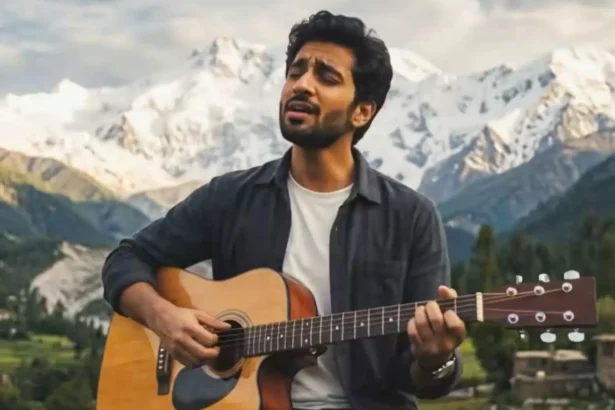
- ISLAMABAD: An AI-generated Independence Day song released by Pakistan’s Ministry of Planning, Development and Special Initiatives has sparked widespread debate, with critics questioning the government’s decision to rely on artificial intelligence instead of showcasing the country’s creative talent.
- Despite its patriotic message, the AI-produced music video has drawn criticism from artists, commentators, and social media users, many of whom argue that the government missed an opportunity to support Pakistan’s musicians, composers, filmmakers, and other creative professionals.
- Critics say that celebrating Independence Day with an AI-generated production sends the wrong message at a time when local artists continue to seek greater recognition and opportunities.
ISLAMABAD: An AI-generated Independence Day song released by Pakistan’s Ministry of Planning, Development and Special Initiatives has sparked widespread debate, with critics questioning the government’s decision to rely on artificial intelligence instead of showcasing the country’s creative talent.
The song, shared by Federal Minister for Planning Ahsan Iqbal on social media, is dedicated to Pakistan’s youth and draws inspiration from the poetry and philosophy of Allama Muhammad Iqbal, particularly the themes of Khudi (selfhood) and the Shaheen (eagle), symbols of confidence, resilience, and ambition.
In his message accompanying the release, Ahsan Iqbal said Pakistan’s future depends on a generation of young people who embrace knowledge, innovation, entrepreneurship, and hard work. He described the song as part of the government’s URAAN Pakistan initiative, which promotes reforms and development projects under the country’s 5Es National Economic Transformation Plan.
Despite its patriotic message, the AI-produced music video has drawn criticism from artists, commentators, and social media users, many of whom argue that the government missed an opportunity to support Pakistan’s musicians, composers, filmmakers, and other creative professionals. Critics say that celebrating Independence Day with an AI-generated production sends the wrong message at a time when local artists continue to seek greater recognition and opportunities.
The release has also reignited broader discussions about the growing use of artificial intelligence in the creative industry. Many artists around the world have voiced concerns that AI-generated content could reduce opportunities for writers, musicians, actors, and visual creators while raising questions about copyright, digital identity, and fair compensation.
In Pakistan, similar concerns have emerged in recent months as actors and performers have warned about contracts involving AI-generated digital replicas and voice cloning. Industry professionals argue that stronger safeguards are needed to protect artists from unauthorized use of their work and likeness.
The Planning Ministry’s latest campaign has therefore become more than just an Independence Day release. It has evolved into a wider conversation about the balance between embracing new technology and preserving the value of human creativity, with many calling for future national campaigns to highlight the work of Pakistan’s own artists alongside technological innovation.
We welcome your contributions! Submit your blogs, opinion pieces, press releases, news story pitches, and news features to opinion@minutemirror.com.pk and minutemirrormail@gmail.com