Summary
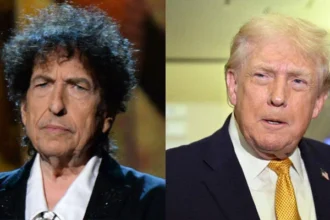
- Moshe Feiglin flouts rabbinical law by praying on the site, as well as interfaith understandings Speaking after visiting the compound, Feiglin described the area as part of a biblical inheritance and suggested that a future temple could become a place where all humanity worships together.
- Itamar Ben-Gvir used his ministerial office to permit Jewish prayers and songs in parts of the compound The growing influence of nationalist voices within Israeli politics has intensified concerns that demands for greater Jewish prayer rights—or even broader control of the site—could eventually reshape one of the most sensitive religious spaces on Earth.
- But many fear that unless the delicate balance surrounding the site is preserved, one of the world’s most treasured symbols of faith could once again become the center of a dangerous regional crisis.
The golden Dome of the Rock has dominated Jerusalem’s skyline for centuries, standing as one of the world’s most recognizable religious landmarks. But beneath its shimmering surface, a growing political and religious battle is unfolding—one that many fear could have consequences far beyond the walls of the Old City.
At the center of the dispute is the al-Aqsa Mosque compound, known to Muslims as Al-Haram Al-Sharif, or the Noble Sanctuary, and to Jews as the Temple Mount. Revered by billions of believers worldwide, the site is considered Islam’s third-holiest place and Judaism’s most sacred location.
For decades, a delicate arrangement known as the “Status Quo” has governed the compound. Under this understanding, a Jordanian-administered Islamic authority known as the Waqf oversees the site. Non-Muslims may visit, but Muslim worship remains the only officially permitted form of prayer within the compound.
That fragile balance is now facing unprecedented pressure.
Recent visits by Israeli nationalist politicians and activists have reignited fears that the long-standing rules could be changing. Among the most vocal advocates is former Israeli politician Moshe Feiglin, who openly argues that a new Jewish temple should eventually be built on the site.

Speaking after visiting the compound, Feiglin described the area as part of a biblical inheritance and suggested that a future temple could become a place where all humanity worships together. Such comments have sparked outrage among Palestinians and many across the Muslim world, who view them as a direct challenge to the Islamic identity of al-Aqsa.
The controversy extends beyond words.
Groups of religious Jewish visitors have increasingly been seen praying, singing religious songs, and conducting acts of worship inside the compound—activities traditionally prohibited under the Status Quo. While such incidents were once rare, critics say they have become more frequent and increasingly tolerated by Israeli authorities.
Adding to concerns are reports suggesting that discussions may be taking place regarding future changes to the management of the site. Some media outlets have claimed Israeli officials are considering proposals that would redefine the compound as a “multi-faith center,” potentially allowing broader forms of worship.
Israeli officials have repeatedly denied any formal plans to alter the Status Quo. Prime Minister Benjamin Netanyahu’s office has insisted that existing arrangements remain unchanged.
Yet many religious leaders and regional governments remain unconvinced.

Dr. Mustafa Abu Sway, Deputy Head of the Islamic Waqf Council, warns that even small changes could have enormous consequences. According to him, altering the current arrangements risks inflaming tensions across the region and undermining decades of efforts to preserve peace around one of the world’s most sensitive religious sites.
Jordan, which maintains a special custodial role over Muslim holy places in Jerusalem, has repeatedly voiced concern. Similar warnings have come from Egypt, Gulf states, and several Western governments, all emphasizing the importance of preserving the historic framework governing the compound.
The issue carries particular significance because of Jerusalem’s turbulent history.
Many observers still remember September 2000, when then-Israeli opposition leader Ariel Sharon visited the compound under heavy police protection. The visit became one of the key triggers for the Second Intifada, a period of violence that claimed thousands of lives over the following years.
Today, some analysts fear history could repeat itself.
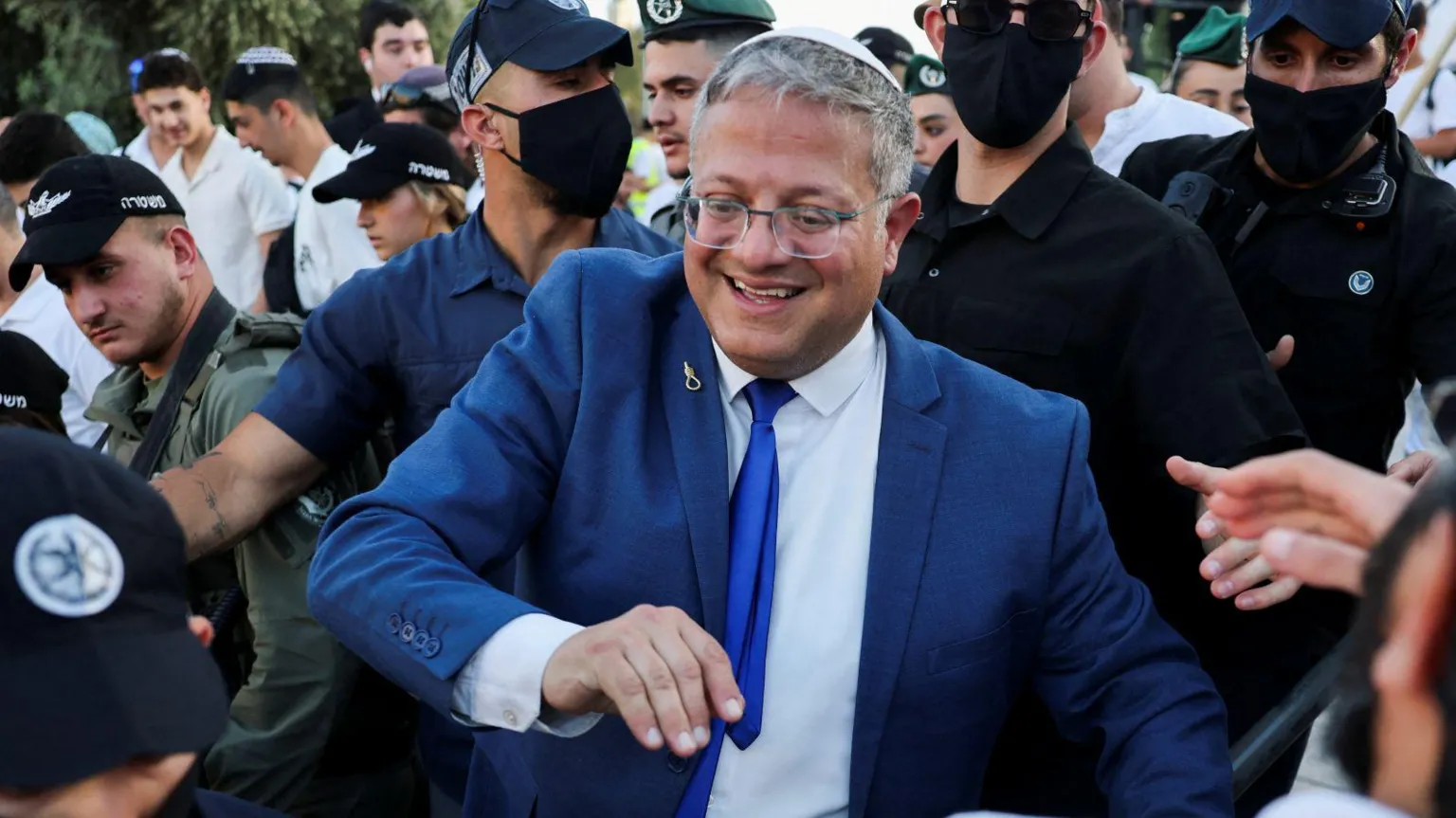
The growing influence of nationalist voices within Israeli politics has intensified concerns that demands for greater Jewish prayer rights—or even broader control of the site—could eventually reshape one of the most sensitive religious spaces on Earth.
Supporters of expanded access argue that Jews should have the right to pray at their holiest site. Opponents counter that any formal change could ignite unrest not only in Jerusalem but across the wider Middle East.
As political pressure builds and religious passions intensify, the future of Jerusalem’s most sacred hilltop remains uncertain. For millions of Muslims and Jews alike, what happens at al-Aqsa is about far more than a piece of land. It touches faith, history, identity, and national aspirations.
For now, the golden dome continues to shine above Jerusalem’s ancient stones. But many fear that unless the delicate balance surrounding the site is preserved, one of the world’s most treasured symbols of faith could once again become the center of a dangerous regional crisis.
We welcome your contributions! Submit your blogs, opinion pieces, press releases, news story pitches, and news features to [email protected] and [email protected]