Summary
- The comments come amid heightened tensions between Iran and the United States, particularly over sanctions, maritime restrictions and the future of the Strait of Hormuz.
- Iranian officials have maintained that the Strait of Hormuz will not be fully reopened until the United States fulfils its commitments.
- The latest statements come as the United States maintains pressure on Iran and closely monitors maritime traffic in the Strait of Hormuz, one of the world’s most important energy routes.
Iranian Foreign Minister Abbas Araghchi has said a return to diplomacy with the United States remains possible, but Washington must first accept that its pressure-based approach will not work.
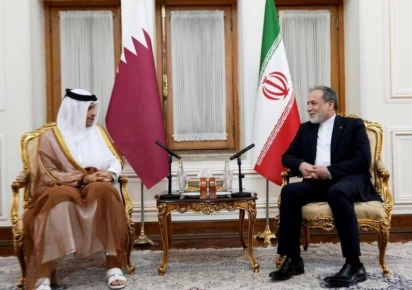
Araghchi made the remarks on Friday after holding what he described as constructive and creative discussions with Qatar’s Prime Minister and Foreign Minister Jassim Al Thani.
The Iranian foreign minister said the United States should take steps to rebuild trust and engage Tehran through respectful dialogue. He also called on Washington to recognise Iran’s rights and honour commitments made under previous agreements.
The comments come amid heightened tensions between Iran and the United States, particularly over sanctions, maritime restrictions and the future of the Strait of Hormuz.
Iran and the US reached a 14-point memorandum of understanding in Islamabad in June through mediation by Pakistan and Qatar. The understanding included measures aimed at ending hostilities, reopening the Strait of Hormuz, removing a US naval blockade and beginning a 60-day negotiating process.
Tehran has since accused Washington of failing to implement important parts of the agreement. Iranian officials have maintained that the Strait of Hormuz will not be fully reopened until the United States fulfils its commitments.
The diplomatic dispute has also triggered a sharp exchange between Iranian and US officials.
Iranian Parliament Speaker Mohammad Bagher Ghalibaf criticised US Treasury Secretary Scott Bessent after Bessent accused Tehran of spending large amounts of money abroad while Iranian citizens face economic difficulties.
Ghalibaf rejected the criticism and argued that Washington should focus on its own domestic challenges rather than spending heavily on overseas military deployments and allies.
The latest statements come as the United States maintains pressure on Iran and closely monitors maritime traffic in the Strait of Hormuz, one of the world’s most important energy routes.
US Central Command said its forces had cleared sea mines from internationally recognised shipping lanes in the strait. Commander Admiral Brad Cooper said American military personnel from several branches had taken part in the operation.
According to US officials, American forces have helped commercial vessels pass through the waterway while also stopping ships accused of attempting to bypass the maritime blockade.
Iran, however, disputes Washington’s position and has warned that continued economic and maritime restrictions could provoke retaliation.
Iranian Supreme National Security Council Secretary Mohsen Rezaei said Tehran would target US economic interests if the blockade continued. He also claimed that Iran had managed to maintain significant oil exports and establish alternative routes despite restrictions.
Rezaei further warned against any military advance toward Beirut or southern Lebanon, calling the area a red line for Iran.
We welcome your contributions! Submit your blogs, opinion pieces, press releases, news story pitches, and news features to opinion@minutemirror.com.pk and minutemirrormail@gmail.com