Summary
- Within Khuzdar district itself, the government established new Baghbana and Moola sub divisions and introduced a new Zeedi tehsil.
- However, the government created a new Toba Kakari sub division and tehsil within Barshore district, and upgraded the existing Barshore sub tehsil to full tehsil status.
- In Rakhshan division, authorities upgraded Chagai district’s namesake tehsil to sub division status and introduced an entirely new Nag sub division within Washuk district.
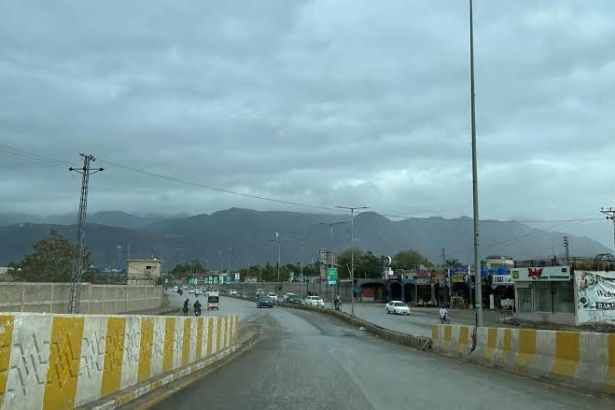
The Balochistan government has rolled out sweeping changes to the province’s administrative structure, splitting Quetta district into two separate units and adjusting boundaries across multiple divisions, according to details that emerged on Saturday.
A notification issued by the Balochistan government’s Revenue Department on July 8 confirmed the creation of new divisions, districts, sub divisions, tehsils and sub tehsils, along with realigned boundaries for several existing divisions and districts. The changes bring the total number of divisions in the province to 11 and raise the total number of districts to 41.
Among the most significant changes, the government divided Quetta district into East Quetta and West Quetta along the railway line that runs through the city. East Quetta now includes the Saddar, City and Sariab sub divisions, while West Quetta comprises Kuchlak along with two newly created sub divisions, Brewery and Panjpai. Authorities also introduced a new Brewery tehsil as part of the restructuring.
The government detached Mastung district from Kalat division and folded it into Quetta division, which now contains three districts in total. This move drew opposition earlier from tribal chiefs and political leaders in the Sarawan region, along with senior politician Nawabzada Haji Lashkari Raisani, who argued that shifting Mastung’s historical status from Kalat to Quetta division violated the 1948 accession agreement signed between the Khan of Kalat and Muhammad Ali Jinnah.
Kalat division itself no longer exists under its previous name. The government split it into two new divisions, Khuzdar and Lasbela. Khuzdar division now consists of Khuzdar, Kalat, Surab and Wadh districts, while Lasbela division includes Lasbela, Hub and Awaran districts.
Authorities created an entirely new Wadh district by detaching the Wadh, Ornach and Nal sub divisions from Khuzdar district. The government also renamed Shaheed Sikandarabad district back to Surab, reversing a decision made last year that had changed the district’s name. As part of the same restructuring, officials detached the Zehri sub division and Zehri tehsil from Khuzdar district and placed them under the newly configured Surab district.
Within Khuzdar district itself, the government established new Baghbana and Moola sub divisions and introduced a new Zeedi tehsil. Karkh, previously classified as a sub tehsil, received an upgrade to full tehsil status. Meanwhile, Khuzdar’s Saroona sub tehsil will cease to exist, since its Shahnoorani and Kalghalo union councils now fall under Lasbela’s Kanraj sub division. The territorial boundaries of Khuzdar division’s Kalat district and Lasbela’s Awaran district remain unchanged under the new arrangement.
In a notable spelling change, the government will now refer to Makran division as Makuran, while Sibi division and Sibi city will officially appear as Sevi going forward. Officials described the change as a correction to the spelling of both names. Separately, the government renamed Upper Dera Bugti district as North Dera Bugti and Lower Dera Bugti district as South Dera Bugti.
Within Makuran division, authorities created new Ormara and Jiwani sub divisions inside Gwadar district. In Naseerabad division, Jaffarabad district gained a new Khanpur tehsil, while Sohbatpur district received a new sub division and tehsil called Jia Khan. In Zhob division, the government added Murgha Kibzai as a new sub division within Zhob district itself, while Sherani district gained a new Mani Khawa sub division.
Kachhi district moved out of Naseerabad division and now falls under Sevi division, while Ziarat and Harnai districts moved out of Sevi division and into Loralai division under the restructuring.
Pishin division retained its existing boundaries for Pishin, Qila Abdullah and Chaman districts without change. However, the government created a new Toba Kakari sub division and tehsil within Barshore district, and upgraded the existing Barshore sub tehsil to full tehsil status.
In Rakhshan division, authorities upgraded Chagai district’s namesake tehsil to sub division status and introduced an entirely new Nag sub division within Washuk district. In Koh i Suleman division, Kohlu district gained a new Zarkuwana sub division, a new Jandran tehsil and a new Hosarhi sub tehsil, while Barkhan district received a new sub division called Rara Sham.
The scale of the restructuring marks one of the most extensive administrative overhauls in Balochistan in recent years, touching nearly every division across the province and altering the boundaries, names or status of dozens of districts, sub divisions and tehsils simultaneously. Officials have not yet detailed the timeline for implementing the changes on the ground, including how the reorganization will affect local governance structures, electoral boundaries or the allocation of provincial resources across the newly configured units.
The restructuring comes amid broader efforts by the provincial government to reorganize administrative units in response to population growth, security considerations and long standing demands from local communities for greater representation and more accessible governance structures closer to home. Political observers note that changes of this scale often carry significant implications for resource distribution and local political dynamics, particularly in regions like Sarawan where residents have voiced concerns over how new boundaries might affect historical ties and administrative identity.
We welcome your contributions! Submit your blogs, opinion pieces, press releases, news story pitches, and news features to opinion@minutemirror.com.pk and minutemirrormail@gmail.com