Summary
- Speaking at the Battery Energy Storage Systems Conference organized by the Pakistan Solar Association in Lahore on Saturday, the minister said battery storage technology is essential for strengthening the national power grid, expanding renewable energy use, and supporting the country’s transition to electric vehicles (EVs).
- Leghari said Battery Energy Storage Systems offer a practical answer by storing excess solar energy produced during the day and releasing it back into the grid during peak evening demand.
- He said the government’s long-term vision is to create an integrated energy ecosystem where rooftop solar systems, battery storage, smart grids, and electric vehicles operate together to maximize renewable energy use, improve efficiency, and reduce stress on the national grid.
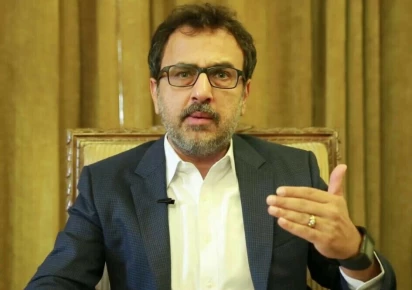
Federal Minister for Power Awais Ahmed Khan Leghari has emphasized that Battery Energy Storage Systems (BESS) will be central to Pakistan’s shift toward a cleaner, more reliable, and sustainable energy sector. Speaking at the Battery Energy Storage Systems Conference organized by the Pakistan Solar Association in Lahore on Saturday, the minister said battery storage technology is essential for strengthening the national power grid, expanding renewable energy use, and supporting the country’s transition to electric vehicles (EVs).
Addressing industry experts, policymakers, and investors, Leghari said Pakistan’s electricity sector is undergoing a major transformation due to the rapid increase in distributed solar power, particularly rooftop solar installations. While this growth has helped reduce dependence on conventional electricity during daylight hours, it has also created new operational challenges for the national grid.
He explained that widespread rooftop solar adoption has significantly changed electricity consumption patterns. Demand for grid electricity has fallen during the day as more consumers generate their own solar power, while electricity usage rises sharply in the evening after sunset when solar generation stops. According to the minister, this imbalance makes it increasingly important to develop efficient energy storage solutions.
Leghari said Battery Energy Storage Systems offer a practical answer by storing excess solar energy produced during the day and releasing it back into the grid during peak evening demand. This approach improves grid stability, enhances flexibility, reduces reliance on costly peak-hour power generation, and enables greater integration of renewable energy into Pakistan’s electricity system.
Highlighting the government’s commitment to energy storage, the minister said battery technology has been declared a strategic national priority. To accelerate progress, the government has established a Federal Steering Committee on Battery Energy Storage Systems, tasked with developing a comprehensive national policy and coordinating regulatory and implementation efforts.
He noted that battery storage also has significant potential beyond urban electricity networks. It can improve power reliability in remote regions, strengthen isolated grids in Gilgit-Baltistan, enhance electricity supply in Gwadar, and facilitate the integration of renewable energy projects in underserved areas. In addition, battery storage can improve the resilience of Pakistan’s transmission network during periods of fluctuating electricity demand.
The minister stressed that battery storage systems are advanced technologies that require strict compliance with international quality and safety standards. He said only certified, high-quality battery systems that meet globally recognized requirements should be imported, assembled, or manufactured in Pakistan.
To ensure consumer safety and long-term system reliability, the Ministry of Energy has instructed all relevant stakeholders to adopt International Electrotechnical Commission (IEC) standards. Under this policy, only IEC-certified battery modules will be permitted for use in the country.
Leghari also announced that the government is working on a dedicated Battery Energy Storage Systems Manufacturing Policy through the Ministry of Industries and Production. The proposed policy aims to encourage both domestic and international investment, promote technology transfer, strengthen local supply chains, and generate skilled employment opportunities. The long-term objective is to position Pakistan as a regional center for battery manufacturing and technological innovation.
The minister further observed that the growing adoption of electric vehicles will increase pressure on the country’s electricity distribution network unless supported by effective battery storage infrastructure. He said the government’s long-term vision is to create an integrated energy ecosystem where rooftop solar systems, battery storage, smart grids, and electric vehicles operate together to maximize renewable energy use, improve efficiency, and reduce stress on the national grid.
Concluding his address, Leghari described Pakistan’s energy transition as entering a defining stage, driven by renewable energy, digital technologies, distributed power generation, battery storage, and electric mobility. He called for strong collaboration among policymakers, regulators, utility companies, manufacturers, investors, academic institutions, and development partners to build a modern and sustainable energy sector.
Expressing confidence in Pakistan’s future, the minister said that with effective policies, robust public-private partnerships, and continued support to emerge as a regional leader in battery production and innovation.
We welcome your contributions! Submit your blogs, opinion pieces, press releases, news story pitches, and news features to opinion@minutemirror.com.pk and minutemirrormail@gmail.com