Summary
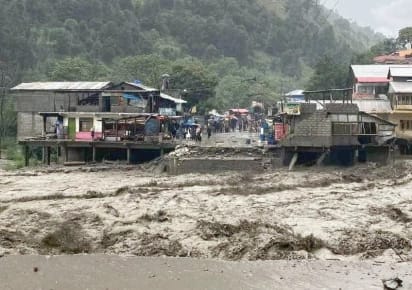
- The Pakistan Meteorological Department (PMD)has issued a Glacial Lake Outburst Flood (GLOF) alert for Gilgit-Baltistan and Khyber-Pakhtunkhwa, warning that a fresh westerly weather system expected to arrive next week could significantly increase the risk of flooding, landslides, and other weather-related hazards in the country’s glacier-fed mountain regions.
- The combination of unusually warm weather and the expected rainfall is likely to accelerate the melting of glaciers, snowfields, and ice masses, increasing the amount of water flowing into rivers and glacial lakes.
- The weather department also warned that river water levels are expected to remain elevated throughout the period of unstable weather.
The Pakistan Meteorological Department (PMD)has issued a Glacial Lake Outburst Flood (GLOF) alert for Gilgit-Baltistan and Khyber-Pakhtunkhwa, warning that a fresh westerly weather system expected to arrive next week could significantly increase the risk of flooding, landslides, and other weather-related hazards in the country’s glacier-fed mountain regions.
In an advisory released on Saturday, the PMD stated that a new westerly wave is likely to affect northern Pakistan during the coming week. The approaching system is expected to bring partly cloudy to overcast conditions, accompanied by moderate to heavy rainfall and thunderstorms across several glaciated valleys in both Gilgit-Baltistan and Khyber-Pakhtunkhwa.
According to the department, temperatures in these high-altitude areas have already remained above seasonal averages. The combination of unusually warm weather and the expected rainfall is likely to accelerate the melting of glaciers, snowfields, and ice masses, increasing the amount of water flowing into rivers and glacial lakes.
The PMD warned that the rapid influx of meltwater could cause existing glacial lakes to expand quickly, while new lakes may also develop as snow and ice continue to melt. These changes could create dangerous conditions in mountainous regions where glacial lakes are naturally contained by unstable ice or moraine dams.
Officials cautioned that excessive water pressure could weaken or breach these natural barriers, potentially triggering Glacial Lake Outburst Floods (GLOFs). Such events occur when a glacial lake suddenly releases large volumes of water, sending powerful floods downstream that can destroy roads, bridges, homes, farmland, and other infrastructure within minutes.
The weather department also warned that river water levels are expected to remain elevated throughout the period of unstable weather. Communities living in low-lying areas near rivers and streams, particularly those located downstream of glaciers, may face an increased risk of sudden flooding. Flash floods are also possible in vulnerable valleys where heavy rainfall combines with rapidly melting snow and ice.
In addition to flood threats, the PMD highlighted the growing danger of landslides and debris flows. Rising temperatures can thaw frozen ground, known as permafrost, reducing the stability of mountain slopes. When combined with heavy rainfall and excess surface water, this can trigger mudslides, rockfalls, and debris flows capable of blocking roads and damaging settlements.
The department has urged residents, tourists, trekkers, and travelers visiting snow-covered and glacier-fed valleys to exercise extreme caution. People have been advised to avoid camping, trekking, or staying near riverbanks, streams, glacial lakes, and narrow mountain valleys where water levels can rise suddenly without warning.
Authorities also recommended avoiding steep and unstable slopes, as melting snow and saturated soil can increase the likelihood of landslides. Residents are encouraged to closely monitor official weather forecasts, emergency alerts, and advisories issued by the Pakistan Meteorological Department throughout the coming days.
The PMD has called upon provincial disaster management authorities and relevant government departments to remain on 24-hour alert and ensure that emergency response teams are fully prepared to deal with any potential incidents. Officials have also been instructed to rapidly disseminate warnings through SMS services, social media platforms, local administration, and community networks so that vulnerable populations receive timely information.
Reiterating the seriousness of the situation, the Pakistan Meteorological Department advised all concerned authorities and members of the public to remain vigilant, follow official safety instructions, and take precautionary measures to minimize risks during the expected period of severe weather in northern Pakistan.
We welcome your contributions! Submit your blogs, opinion pieces, press releases, news story pitches, and news features to opinion@minutemirror.com.pk and minutemirrormail@gmail.com