
Summary
- The discussion subsequently developed into a broader conversation about sensitivity towards cancer patients and the difficulties women experience during treatment.
- A nurse working in a cancer ward at Mayo Hospital also highlighted the isolation experienced by some patients, explaining that women sometimes arrive for chemotherapy without family members and endure difficult treatment sessions with limited emotional support.
- For women fighting cancer and other difficult battles, compassion should never be limited to words on social media.
LAHORE: Some struggles remain hidden behind closed doors, where women silently endure physical pain, emotional distress and the challenges of serious illnesses while continuing to fulfil their responsibilities as mothers, wives and daughters.
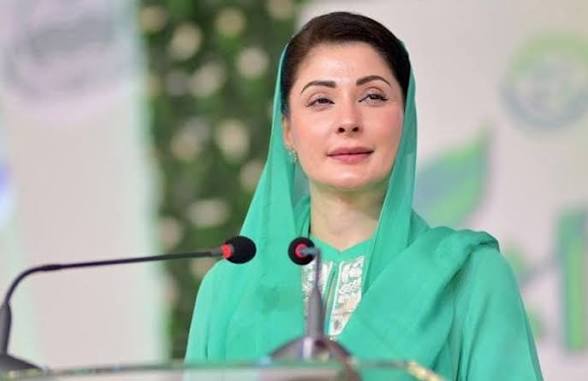
Punjab Chief Minister Maryam Nawaz Sharif’s recent response to a viral video involving Captain (Retd) Safdar has brought renewed attention to these often-overlooked struggles, particularly those faced by women battling cancer.
Responding to criticism surrounding remarks about women suffering from cancer, Maryam expressed her sorrow, writing: “Heartbreaking. The silent battles a woman, a wife, fights behind closed doors… The strength she must find even when she feels like breaking. Some battles are fought in silence, and some wounds are invisible.”
Her message resonated with many social media users, who viewed it as an expression of solidarity with women facing illness, discrimination and emotional hardship.
The controversy gained attention after a social media user questioned the remarks attributed to Captain Safdar, referring to the family’s personal experience of losing Begum Kulsoom Nawaz to cancer. The discussion subsequently developed into a broader conversation about sensitivity towards cancer patients and the difficulties women experience during treatment.
For many women, cancer is not simply a medical challenge. It can also bring financial difficulties, strained relationships, social stigma and feelings of isolation. Hair loss, physical weakness and the demands of chemotherapy often become additional emotional burdens, particularly when patients lack family support.
Some women who connected with Maryam’s message shared experiences of managing treatment while trying to protect their families from emotional distress. Their accounts reflected the difficulties of balancing household responsibilities, childcare and medical expenses during prolonged treatment.
A nurse working in a cancer ward at Mayo Hospital also highlighted the isolation experienced by some patients, explaining that women sometimes arrive for chemotherapy without family members and endure difficult treatment sessions with limited emotional support.
Maryam’s response may also be understood in the context of her personal experience following the death of her mother, Begum Kulsoom Nawaz, who died of cancer on September 11, 2018, while Maryam was imprisoned in Pakistan.
Her mother’s illness and death during her incarceration were particularly painful moments for her family. Maryam was subsequently granted parole to attend her mother’s funeral in London. The experience remains an important part of her personal history.
Beyond the social media debate, the issue also highlights the importance of accessible healthcare and institutional support for women. Punjab has introduced healthcare initiatives, including mobile medical services and programmes aimed at improving access to treatment. The provincial government’s cancer treatment initiatives have also focused on reducing the financial burden on patients.
However, the experiences of cancer patients underline the need for continued improvements in medical facilities, affordable medicines, counselling services and family awareness.
Maryam’s message has opened an important discussion about how society treats women confronting serious illnesses. Public figures and political leaders have an opportunity to use their platforms to challenge harmful attitudes and encourage compassion.
Ultimately, the significance of her words lies in the attention they have drawn to women whose struggles often remain unnoticed. Behind every diagnosis is a person deserving of respect, care and dignity.
For women fighting cancer and other difficult battles, compassion should never be limited to words on social media. It must also be reflected in families, healthcare institutions and society.
Every woman fighting a silent battle deserves to be heard, supported and treated with dignity.
We welcome your contributions! Submit your blogs, opinion pieces, press releases, news story pitches, and news features to opinion@minutemirror.com.pk and minutemirrormail@gmail.com