Summary
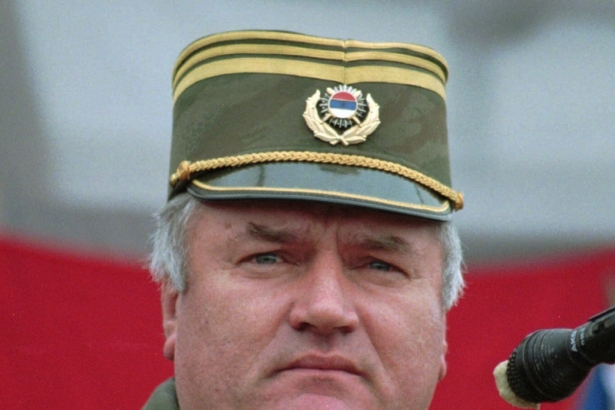
- THE HAGUE: Ratko Mladic, the former Bosnian Serb military commander convicted of genocide, war crimes and crimes against humanity over some of the worst atrocities of the Bosnian war, has died at the age of 84 while serving a life sentence in The Hague.
- Known internationally as the “Butcher of Bosnia,” Mladic commanded Bosnian Serb forces during the conflict that followed the breakup of Yugoslavia.
- In 2017, the tribunal convicted him of genocide, crimes against humanity and war crimes and sentenced him to life imprisonment.
THE HAGUE: Ratko Mladic, the former Bosnian Serb military commander convicted of genocide, war crimes and crimes against humanity over some of the worst atrocities of the Bosnian war, has died at the age of 84 while serving a life sentence in The Hague.
Mladic died in a United Nations detention facility in the Netherlands after suffering several strokes and a prolonged deterioration in his health, Serbian state broadcaster RTS reported. A UN official also confirmed his death. His death was reported on Thursday, August 27, and comes more than three decades after he became one of the most notorious figures of the 1992-95 Bosnian War.
Known internationally as the “Butcher of Bosnia,” Mladic commanded Bosnian Serb forces during the conflict that followed the breakup of Yugoslavia. His name became inseparable from the 1995 Srebrenica massacre, when more than 8,000 Bosniak Muslim men and boys were killed after the town had been designated a UN-protected safe area.
The killings at Srebrenica are regarded as the worst atrocity in Europe since the Second World War. International judges later concluded that Mladic played a central role in the operation, including the forcible removal of civilians and the execution of thousands of men and boys.
The massacre was followed by attempts to conceal evidence, with victims buried in mass graves and, in some cases, their remains later moved to secondary locations.
Mladic was indicted by the International Criminal Tribunal for the former Yugoslavia in 1995 but remained at large for another 16 years. He was finally arrested in Serbia in May 2011 and transferred to The Hague.
In 2017, the tribunal convicted him of genocide, crimes against humanity and war crimes and sentenced him to life imprisonment. His appeal was rejected in 2021, leaving the life sentence intact.
Throughout his trial and appeal, Mladic denied responsibility for the crimes and repeatedly attacked the tribunal’s legitimacy. He remained an admired figure among some Serbian nationalists, even as survivors and victims’ families continued to regard him as a symbol of the violence inflicted on Bosnia’s Muslim population.
In his final years, Mladic’s family and lawyers repeatedly sought permission for him to receive treatment in Serbia or be released on humanitarian grounds because of his worsening health. Those requests were rejected. RTS reported that a recent request to allow him to spend his final days at home was also turned down.
His death closes the life of one of the most infamous commanders of the Balkan wars, but the wounds left by Srebrenica and the wider Bosnian conflict remain deeply embedded in the region’s history.
We welcome your contributions! Submit your blogs, opinion pieces, press releases, news story pitches, and news features to opinion@minutemirror.com.pk and minutemirrormail@gmail.com