Summary
- However, he also issued a stern warning, saying that if Iran were to back away from a potential agreement as it had in previous rounds of negotiations, the United States would respond with decisive and severe measures.
- Political analysts believe, however, that the ongoing dialogue between Iran and Oman could serve as an important bridge toward eventual negotiations between Tehran and Washington.
- While President Trump projects confidence that a breakthrough is close, regional officials remain cautious, pointing to unresolved political and military considerations that could still prevent a final agreement.
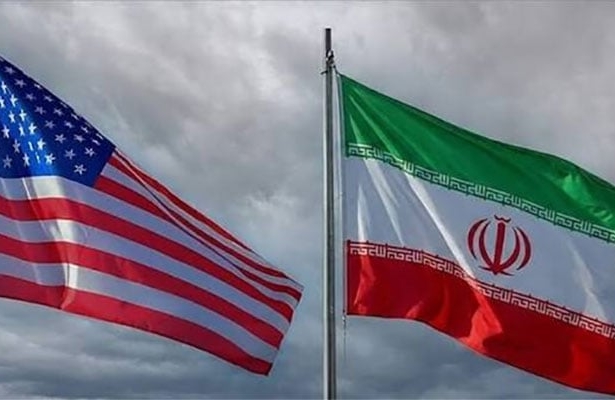
Despite US President Donald Trump’s confident claim that a deal with Iran has effectively been finalized, senior Gulf officials have indicated that the prospects of reaching an agreement this Friday remain uncertain. These officials estimated the likelihood of a successful agreement at only “fifty-fifty,” suggesting that significant obstacles still stand in the way of a final breakthrough.
According to the sources, one of the major concerns is the composition of the Iranian delegation currently involved in discussions. They revealed that representatives of Iran’s Islamic Revolutionary Guard Corps (IRGC) are not part of the negotiating team. This absence is viewed as highly significant because the IRGC is widely regarded as the most influential military and political institution in Iran and is expected to have the final authority in approving any interim or broader agreement. Without its backing, even a negotiated framework may struggle to gain official approval in Tehran.
President Trump has repeatedly expressed confidence in the ongoing diplomatic efforts between Washington and Tehran. Earlier, he stated that American officials were holding “very good talks” with their Iranian counterparts and suggested that negotiations were progressing positively. However, he also issued a stern warning, saying that if Iran were to back away from a potential agreement as it had in previous rounds of negotiations, the United States would respond with decisive and severe measures. His remarks reflected a combination of optimism about diplomacy and a willingness to adopt a tougher stance should talks collapse.
Trump also hinted that an agreement concerning the Strait of Hormuz could be reached as early as today. The Strait of Hormuz is one of the world’s most strategically important maritime routes, carrying a significant portion of global oil exports. Any understanding aimed at ensuring safe navigation through the waterway would be welcomed by international markets and regional governments, given the repeated tensions and security incidents that have threatened shipping in recent years.
Despite the optimistic statements coming from Washington, Iran has continued to deny that it is engaged in direct negotiations with the United States. Iranian officials maintain that their current discussions are exclusively with Oman and are focused on resolving issues related to maritime navigation and shipping through the Strait of Hormuz. Tehran has consistently rejected claims that formal talks with Washington are underway, emphasizing that its engagement is limited to regional diplomatic channels.
Political analysts believe, however, that the ongoing dialogue between Iran and Oman could serve as an important bridge toward eventual negotiations between Tehran and Washington. Oman has long played the role of a trusted intermediary between the two countries, facilitating discreet diplomatic contacts during previous periods of heightened tension. Analysts argue that if discussions between Iran and Oman produce positive outcomes, they could help build confidence, reduce mistrust, and create the conditions necessary for broader US-Iran negotiations in the near future.
For now, uncertainty continues to dominate the diplomatic landscape. While President Trump projects confidence that a breakthrough is close, regional officials remain cautious, pointing to unresolved political and military considerations that could still prevent a final agreement. The coming days are expected to determine whether diplomatic efforts can translate into a meaningful deal or whether tensions between the United States and Iran will persist.
We welcome your contributions! Submit your blogs, opinion pieces, press releases, news story pitches, and news features to opinion@minutemirror.com.pk and minutemirrormail@gmail.com