

Summary
- BEIJING: China is set to reduce tariffs on a wide range of US agricultural products, including corn, wheat, meat and dairy, but American soybeans have been left off the tariff-reduction list in a move that keeps one of the most politically sensitive areas of US-China trade unresolved.
- The Chinese commerce ministry said more than 90 per cent of the products covered by the agricultural list would be exempt from additional tariffs imposed by either side and would instead face most-favoured-nation tariff rates.
- A trader with an international company that sells soybeans to China said state-owned companies would continue buying US soybeans, while lower tariffs on other agricultural products could help China meet its broader purchasing commitment.
BEIJING: China is set to reduce tariffs on a wide range of US agricultural products, including corn, wheat, meat and dairy, but American soybeans have been left off the tariff-reduction list in a move that keeps one of the most politically sensitive areas of US-China trade unresolved.
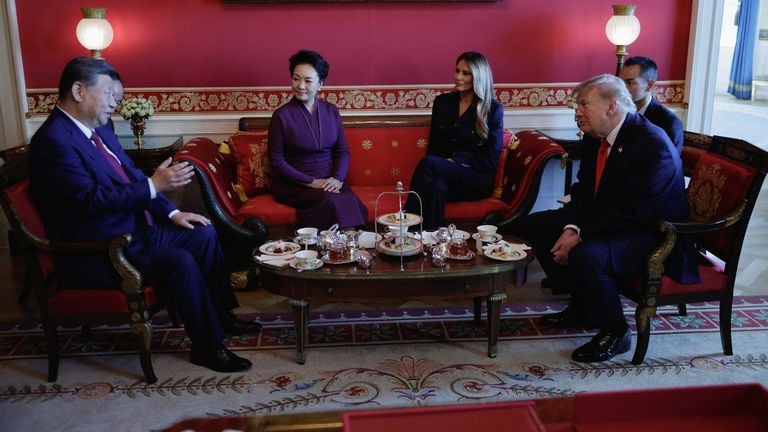
The tariff changes are part of a broader $60 billion package of reciprocal tariff reductions agreed through the US-China Board of Trade. The measures were unveiled Monday following last week’s Washington summit between Chinese President Xi Jinping and US President Donald Trump.
China’s list covers sorghum, vegetable oils and meals, including soybean oil and soybean meal, as well as meat, dairy products and other agricultural goods. However, whole US soybeans — a major American export to China — were notably absent.
The Chinese commerce ministry said more than 90 per cent of the products covered by the agricultural list would be exempt from additional tariffs imposed by either side and would instead face most-favoured-nation tariff rates. The announcement did not specify when the reductions would take effect.
Soybeans remain key sticking point
US soybeans will continue to face an additional 10 per cent tariff, according to Reuters. Traders have warned that the duty is too high for many private Chinese soybean crushers to absorb, potentially making US supplies less competitive against shipments from other exporters.
The exclusion is particularly significant because soybeans have become an important part of the broader trade negotiations between Washington and Beijing.
Chinese state-run agricultural companies Sinograin and COFCO have already purchased more than 12 million metric tons of US soybeans, according to Reuters calculations. That represents nearly half of the 25 million metric tons that the White House has said China committed to buying annually through 2028.
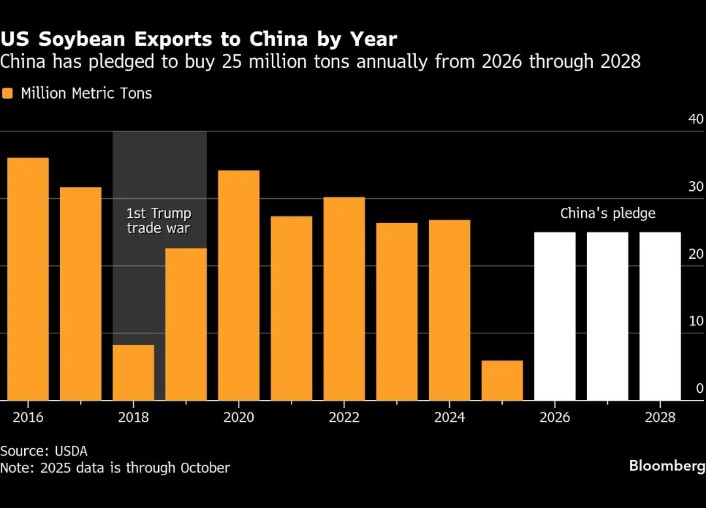
China, however, has not publicly confirmed that annual purchase target.
Feng Chucheng, founder and partner at Hutong Research, said soybean purchases carry significance beyond their commercial value because of their political importance in the US-China relationship.
Keeping soybeans outside the tariff-reduction package also leaves Beijing with additional leverage as negotiations continue, particularly ahead of the US midterm elections, according to Feng.
Billions of dollars in farm trade
The agricultural products included in Monday’s tariff list accounted for around $17 billion in trade in 2024, according to Reuters calculations. That roughly matches the purchase volume referenced by Washington, excluding soybeans.
The package therefore gives Beijing a route to increase purchases of American agricultural products without immediately removing the additional tariff on whole soybeans.
A trader with an international company that sells soybeans to China said state-owned companies would continue buying US soybeans, while lower tariffs on other agricultural products could help China meet its broader purchasing commitment.
The development comes at a time when Chinese buyers have alternatives. Brazil remains a major soybean supplier to China, and traders say Brazilian beans are generally preferred because of their higher oil and protein content.

Farmers watch trade talks closely
The treatment of soybeans is being closely watched in the United States because China is one of the world’s largest buyers of the crop. US farmers have sought stronger Chinese commitments to purchase American agricultural products and reduce retaliatory tariffs.
Earlier Reuters reporting said US farmers were hoping the Xi-Trump summit would produce progress on soybean and other agricultural exports.
For American producers, access to the Chinese market is important because prolonged trade restrictions can redirect exports toward other markets and place pressure on prices.
The latest announcement provides some tariff relief for US agricultural exporters, but the soybean issue means a major part of the farm trade relationship remains unsettled.
Trade truce extended
The agricultural tariff announcement came alongside a broader effort to maintain stability in US-China economic relations.
China’s commerce ministry said the two countries had agreed to extend their trade truce for two months, through January 10, giving both sides additional time to assess their existing arrangements and continue negotiations. The ministry said the extension would provide companies with a more stable and predictable policy environment.
The wider tariff package also covers Chinese consumer and household products, while both governments agreed to continue discussions in areas including artificial intelligence, financial services and direct air links.
For now, the soybean exception stands out from the broader easing of agricultural trade barriers. China is opening the door to lower tariffs on a range of US farm goods, while keeping an additional charge on one of America’s most important agricultural exports.
That split treatment suggests that, despite the progress announced after the Xi-Trump summit, agriculture remains an important bargaining point in the wider US-China trade relationship.
We welcome your contributions! Submit your blogs, opinion pieces, press releases, news story pitches, and news features to opinion@minutemirror.com.pk and minutemirrormail@gmail.com