Summary
- Addressing the Full Court Reference held to mark the beginning of the new judicial year, Chief Justice Afridi said the Supreme Court had placed its case-fixing policy on its website to improve transparency and streamline the process.
- To address delays in urgent matters, Justice Afridi said the Supreme Court is establishing a dedicated bench to deal with applications seeking early hearings.
- Justice Afridi’s remarks came as the Supreme Court began its new judicial year amid continued efforts to improve case management, reduce delays and strengthen access to justice.
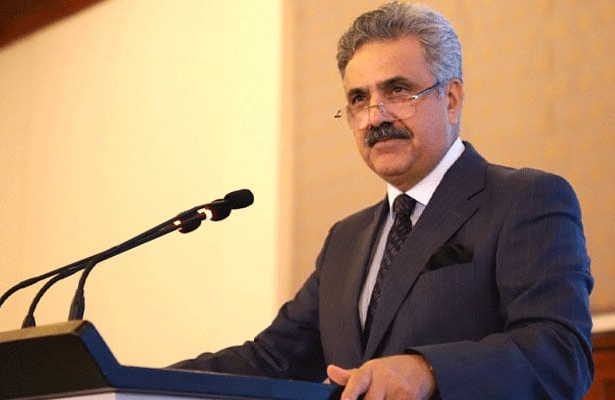
Chief Justice of Pakistan Yahya Afridi has said that even his personal direction does not guarantee that a case will be immediately fixed for hearing, highlighting the Supreme Court’s efforts to make case scheduling more systematic and transparent.
Addressing the Full Court Reference held to mark the beginning of the new judicial year, Chief Justice Afridi said the Supreme Court had placed its case-fixing policy on its website to improve transparency and streamline the process.
He explained that two court officers now recheck the cases listed for the cause list before proceedings. According to the chief justice, the additional scrutiny aims to reduce errors and ensure that cases are scheduled according to the established policy rather than individual preferences.
Responding to criticism over judges taking extended vacations, Justice Afridi rejected the perception that judges remain on leave for three months. He clarified that judges may take one month of leave within a three-month period, rather than remaining away from court throughout the entire three months.
The chief justice also highlighted the heavy workload facing the Supreme Court. He said one bench had as many as 75 cases fixed for hearing in a single day, underscoring the pressure on judges and the need for more effective case-management mechanisms.
To address delays in urgent matters, Justice Afridi said the Supreme Court is establishing a dedicated bench to deal with applications seeking early hearings. He added that benches would also sit in the evening to hear cases requiring urgent attention.
The chief justice further announced steps to ensure more regular hearings by the Shariat Appellate Bench. He said the bench would sit for one week every two months, allowing pending Shariat-related appeals to receive more consistent attention.
Justice Afridi’s remarks came as the Supreme Court began its new judicial year amid continued efforts to improve case management, reduce delays and strengthen access to justice.
We welcome your contributions! Submit your blogs, opinion pieces, press releases, news story pitches, and news features to opinion@minutemirror.com.pk and minutemirrormail@gmail.com