Summary
- PESHAWAR: Khyber Pakhtunkhwa reported 99 new dengue cases in the past 24 hours, bringing the provincial tally to 4,091 and marking the highest daily increase recorded this year as October continues to pose a significant health risk.
- October has proved particularly challenging for health authorities, especially in Kohat, where a dengue outbreak has contributed to a sharp increase in infections.
- Health experts said the overall situation remained comparatively better than last year, when more than 6,000 people contracted the disease, including over 1,000 cases in Charsadda following an outbreak in several union councils.
PESHAWAR: Khyber Pakhtunkhwa reported 99 new dengue cases in the past 24 hours, bringing the provincial tally to 4,091 and marking the highest daily increase recorded this year as October continues to pose a significant health risk.
The latest development comes after a resident of Tank died from the mosquito-borne disease in Dera Ismail Khan district, raising further concerns about the spread of dengue across the province.
According to the Integrated Disease Surveillance and Response System (IDSRS), Kohat has emerged as the most affected district, accounting for 2,567 cases so far this year. Peshawar follows with 566 cases, while Bannu has reported 192 and Khyber 120.
Other affected districts include Haripur with 112 cases, Charsadda with 75, Abbottabad with 71, Nowshera with 51, Karak with 43, Mansehra with 38, Dera Ismail Khan with 35, Swabi with 28 and Mohmand with 14. Several other districts have recorded fewer than 10 cases each.
October has proved particularly challenging for health authorities, especially in Kohat, where a dengue outbreak has contributed to a sharp increase in infections. Since October 1, the district has recorded 80 cases, followed by Bannu with 24 and Peshawar with 18.
The health department has intensified preventive and control measures in Kohat, where the growing number of patients has placed additional pressure on healthcare facilities.
The IDSRS report stated that 144 dengue cases were currently active across the province, while 3,946 patients had recovered. Health experts said the overall situation remained comparatively better than last year, when more than 6,000 people contracted the disease, including over 1,000 cases in Charsadda following an outbreak in several union councils.
However, Kohat has become a new dengue hotspot this year, with authorities identifying factors contributing to the rise in infections. Experts warned that the coming weeks would remain critical because conditions favourable for mosquito breeding could trigger further transmission.
They noted that the provincial government prepares a dengue prevention strategy annually and issued its 2026 action plan on schedule, enabling field activities to begin earlier in the year.
Despite these preparations, experts attributed the recent increase in cases in certain districts partly to insufficient coordination between government departments. They stressed that district administrations, tehsil authorities and union councils must work together to develop localised plans for controlling the outbreak.
According to experts, the health department is responsible for testing suspected patients, confirming diagnoses and providing treatment. Other departments must support prevention efforts through insecticide spraying, removing stagnant water and ensuring effective environmental management.
A few weeks ago, the health department reportedly asked the administrations of Kohat, Mansehra and Haripur to level uneven ground and fill ditches where rainwater collected, creating potential mosquito breeding sites.
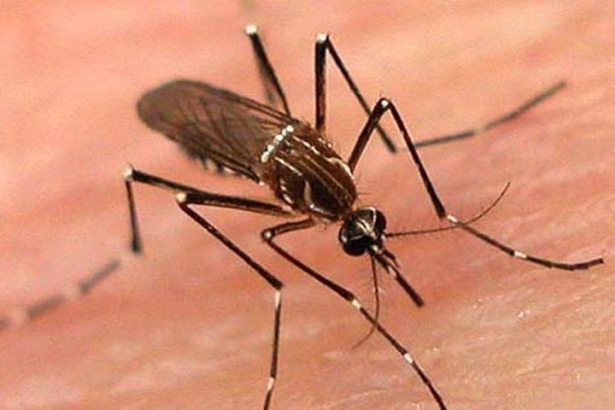
Experts emphasised that mosquitoes transmit the dengue virus and that eliminating breeding grounds is essential to limiting its spread.
The health department has implemented a dengue action plan since 2017, revising it annually to incorporate improvements and address emerging challenges. Interdepartmental coordination and public awareness campaigns remain central to the strategy.
Experts said sustained cooperation and community participation would be necessary to reduce infections and prevent recurring outbreaks. They also recalled that Peshawar experienced a severe dengue outbreak around a decade ago, when dozens of people died and more than 50,000 were infected, underscoring the importance of timely preventive action.
We welcome your contributions! Submit your blogs, opinion pieces, press releases, news story pitches, and news features to opinion@minutemirror.com.pk and minutemirrormail@gmail.com