Summary
- Egypt oil wells numbering 591 came online over two years, alongside 113 discoveries, Petroleum Minister Karim Badawi said.
- Why Egypt oil wells matter nowProduction slid in recent years because the country lacked major development projects and domestic demand soared.
- An energy hub for the MediterraneanEgypt also aims to cement its place as a regional energy hub, and Egypt oil wells feed that plan.
Egypt oil wells numbering 591 came online over two years, alongside 113 discoveries, Petroleum Minister Karim Badawi said.
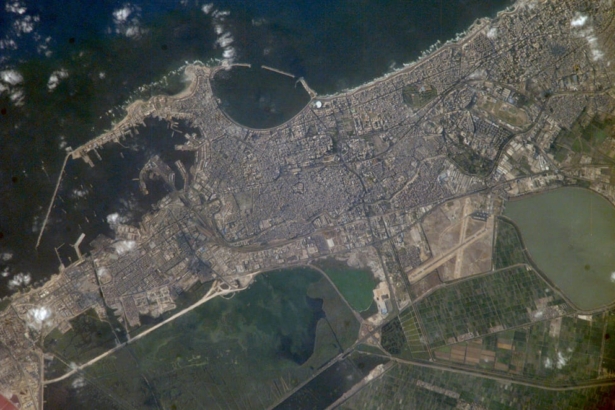
He gave the figures in Alexandria on Tuesday, at the start of the Mediterranean Offshore Conference. They cover the span from July 2024 to June 2026.
This drive aims to reverse falling output and attract new money from foreign energy companies.
Why Egypt oil wells matter now
Production slid in recent years because the country lacked major development projects and domestic demand soared. Rising energy use also puts more strain on supplies.
Officials hope to offset the natural decline in older fields. Egypt also intends to bring 101 more wells into the plan this year. Foreign operators have reported finds.
In addition, the government began a seismic survey late last year over nearly 10 percent of the country. Earlier this year, the ministry promised incentives to lure oil companies into more drilling.
By the Arab Energy Organization’s estimate, proven deposits stand at 3.3 billion barrels of crude. Gas reserves come to 2 trillion cubic metres.
Paying off the debt to investors
Egypt has now cleared about $6.1 billion in dues, Badawi said. It owed that money to investment partners for more than two years. He argued that clearing the debt rebuilt confidence and starts a fresh chapter in relations with investors.
Badawi listed the next priorities: more domestic output, faster development of new discoveries, better use of existing fields and newer technology. The minister also wants contracts that give both investors and the state a fair return.
“The priority in the coming period is to continue increasing domestic production,” he said.
Looking ahead, the minister added that the next stage should turn finds into output and turn investor interest into viable deals.
An energy hub for the Mediterranean
Egypt also aims to cement its place as a regional energy hub, and Egypt oil wells feed that plan. It has gas pipelines, processing plants and export terminals in Idku and Damietta that can liquefy gas for shipment.
Alexandria hosts four oil refineries, which make up about 45 percent of Egypt’s refining capacity, and five petrochemical complexes. Badawi described the city as a major hub that spans production, processing, refining, petrochemicals and fuel distribution. Natural gas, he added, supports fertiliser and petrochemical output, exports and jobs. In his view, the sector’s future goes beyond pumping more oil and gas. It also means getting more value from each resource.
Badawi called for closer work with Cyprus, Greece, Italy and Libya. That would let resources in the region reach Egyptian infrastructure and customers.
Cypriot Energy Minister Michael Damianos said the partnership with Egypt was entering a new phase. Officials initialled a financial framework for the Aphrodite gas field, which would send its gas to Egypt for processing and liquefaction.
Moreover, the Cronos project would use facilities linked to the Zohr field and the Damietta plant. Damianos said such links can cut costs, speed up offshore development and support European energy security.
For now, Egypt oil wells give the government proof of progress. The test is whether output rises as the new wells age.
We welcome your contributions! Submit your blogs, opinion pieces, press releases, news story pitches, and news features to opinion@minutemirror.com.pk and minutemirrormail@gmail.com