Summary
- The move has raised concerns among Pakistani authorities, who are closely monitoring the situation as water levels continue to rise in the Chenab River.
- According to Punjab’s Irrigation Department, the heavy rainfall in the upper catchment areas prompted Indian authorities to open all gates of the Salal Dam, allowing a large flow of water to move downstream toward Pakistan.
- With the water surge expected to arrive within the next two days, emergency agencies remain on alert as Pakistan prepares for the possible impact of increased river flows during the ongoing monsoon season.
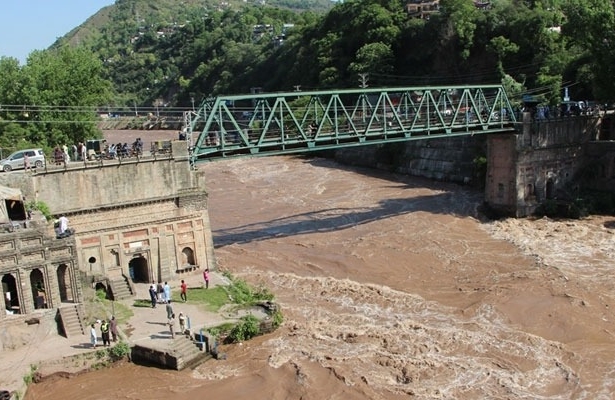
Pakistan has issued a high-level flood alert after India released a significant volume of water from the Salal Dam following heavy rainfall in Indian-administered Kashmir. The move has raised concerns among Pakistani authorities, who are closely monitoring the situation as water levels continue to rise in the Chenab River.
According to Punjab’s Irrigation Department, the heavy rainfall in the upper catchment areas prompted Indian authorities to open all gates of the Salal Dam, allowing a large flow of water to move downstream toward Pakistan. Officials have warned that the increased water discharge could reach Wazirabad within the next 48 hours, prompting precautionary measures in vulnerable areas.
The Irrigation Department stated that water levels in the Chenab River have already begun to increase. Authorities are continuously tracking river flows to assess the potential impact on downstream districts and to provide timely updates if the situation changes.
As a precaution, a high alert has been issued for flood-prone areas, particularly in Sialkot and Wazirabad, where local administrations have been instructed to remain prepared for any emergency. Disaster management teams are coordinating with relevant departments to monitor developments and ensure a rapid response if water levels continue to rise.
Officials have urged residents living near the Chenab River and low-lying areas to stay informed through official announcements and avoid unnecessary travel near riverbanks. Emergency services are also on standby to respond quickly should flooding occur.
Seasonal monsoon rains often lead to rising river levels across the region, making cross-border water management a critical issue during this period. Sudden increases in water discharge from upstream reservoirs can significantly affect downstream communities, requiring close coordination between authorities and continuous monitoring of river conditions.
While officials have expressed concern over the rising water levels, they are also emphasizing that the situation remains under observation. The extent of any flooding will depend on rainfall patterns over the coming days and the volume of water continuing to flow into the Chenab River.
Residents in at-risk areas are advised to follow guidance issued by local authorities, remain alert for weather and flood updates, and take necessary precautions if evacuation advisories are issued. Authorities have assured the public that monitoring efforts will continue around the clock to minimize risks and protect communities from any potential flooding.
With the water surge expected to arrive within the next two days, emergency agencies remain on alert as Pakistan prepares for the possible impact of increased river flows during the ongoing monsoon season.
We welcome your contributions! Submit your blogs, opinion pieces, press releases, news story pitches, and news features to opinion@minutemirror.com.pk and minutemirrormail@gmail.com