

Summary
- He built the buildings, but in doing so, he gave generations of students hope and a place to nurture their futures.
- Twelve residential hostels, a mosque, squash courts, a sports stadium and other supporting infrastructure eventually turned the once-remote site into a comprehensive residential educational institution.
- An educational institution becomes meaningful when its buildings begin serving students.
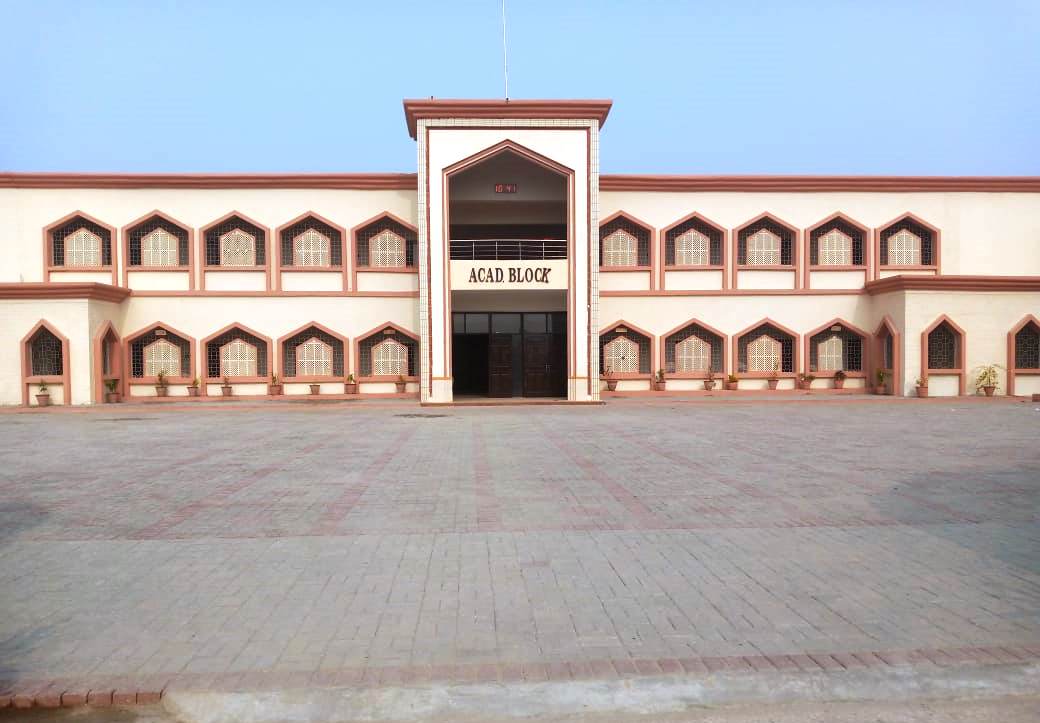
He built the buildings, but in doing so, he gave generations of students hope and a place to nurture their futures. These buildings become dream achievers for many. Since 1992, students have studied within these walls, and many have gone on to become successful officers serving in different ranks and fields.
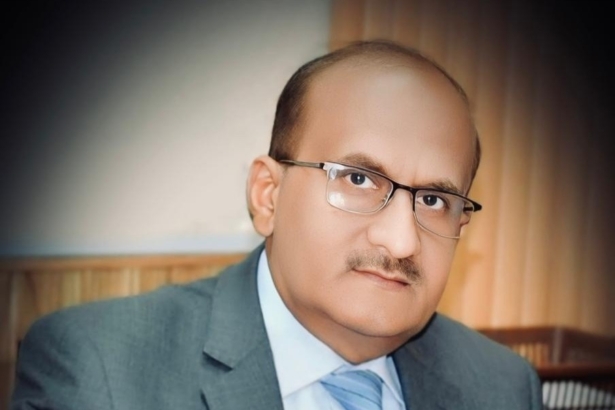
Behind these achievements stands a towering figure, Engineer Imtaiz Hussain Solangi. He did not merely build the college’s infrastructure; he helped build the future of students who came from different parts of the country. His journey began with a mission to create future leaders.
The place he came to was barren, its surroundings unfavourable, and the area was frequented by vagabonds and dacoits. Through consistent struggle, determination and a higher purpose, he built the structures that helped shape an institution now playing an important role in shaping the futures of countless young people. This is the story of an indefatigable man – an engineer.
For nearly 36 years in Sindh, Senior Engineer Imtiaz Hussain Solangi has been one of those people.
When he joined Cadet College Larkana in 1990, the site was far removed from the developed educational campus that exists today. Much of the surrounding landscape was barren, and transforming it into a modern residential educational institution required much more than engineering knowledge. It demanded patience, careful planning, technical expertise, constant supervision and the willingness to work in difficult conditions.
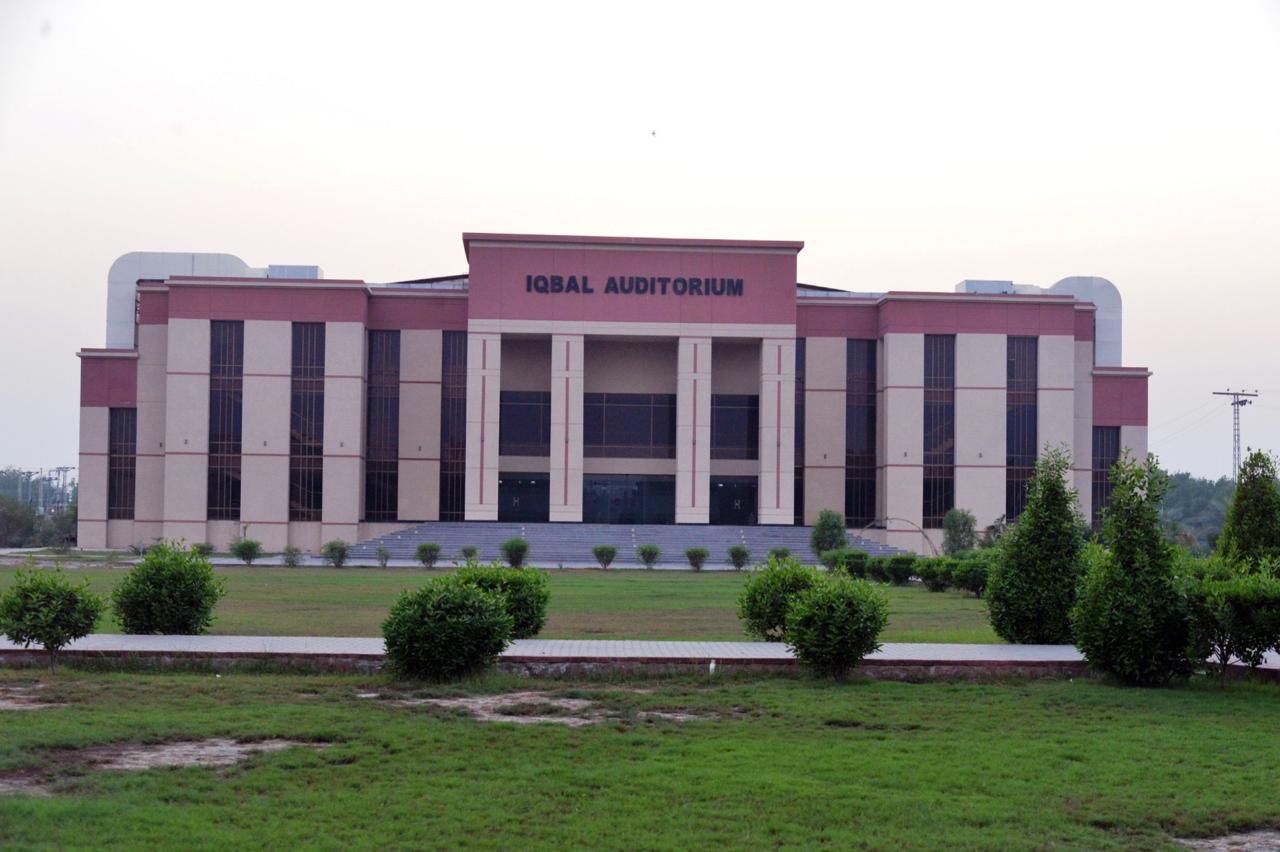
Today, anyone walking through Cadet College Larkana shall witness the physical record of art of state engineering and the credit goes to Mr. Imataiz Hussain, Engineer. The Iqbal Auditorium, with a seating capacity of around 1,500, became an important centre for academic and institutional activities.
The Cadet Mess, designed to accommodate approximately 1,500 cadets, was another major component of the campus. Twelve residential hostels, a mosque, squash courts, a sports stadium and other supporting infrastructure eventually turned the once-remote site into a comprehensive residential educational institution.
In 1991, while performing his official duties at a project site, he was abducted by armed dacoits and remained in captivity until a ransom was paid for his release. Such an experience could have changed anyone’s professional path. It would have been understandable if he had decided that field service was no longer worth the personal risk.
He did not walk away.
He returned to his work and continued serving in the field.
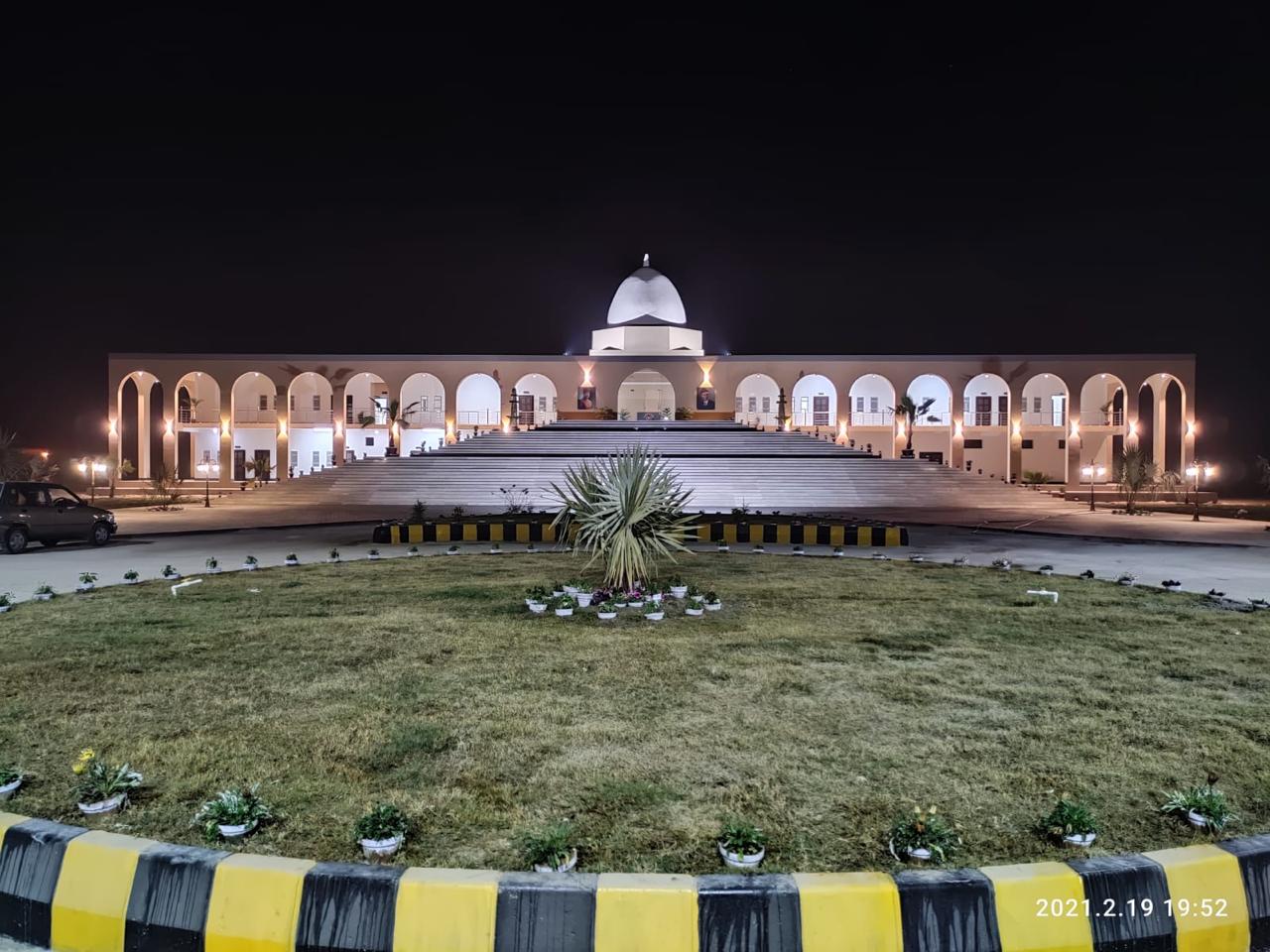
The same commitment was evident in one of the most significant projects associated with his career: Shaheed Benazir Bhutto Girls Cadet College Larkana.
The idea of girls’ education is often discussed in terms of policy, empowerment and opportunity. But these ideas ultimately need physical spaces. Girls need classrooms, laboratories, hostels, libraries, sports facilities and safe campuses where education can actually take place.
He contributed to creating that physical reality.
From initial planning and layout to structural supervision and completion, the project involved the development of academic blocks, residential hostels, an auditorium, sports facilities and other essential infrastructure. The campus was completed and commissioned in approximately two and a half years and opened its doors in 2021.
The significance of such a project goes beyond concrete and steel. An educational institution becomes meaningful when its buildings begin serving students. Every classroom eventually becomes a place where a lesson is delivered; every hostel becomes a temporary home for young students; every sports ground becomes a space where discipline, teamwork and confidence are developed.
That is where an engineer’s contribution becomes larger than engineering itself.
He also extended his technical knowledge and experience to other educational institutions across Sindh, including cadet colleges, universities and public schools. On several occasions, he provided practical guidance without making public recognition or additional compensation the central purpose of his involvement.
Perhaps that is why his professional legacy is difficult to measure through conventional awards alone.
As Imtaiz Solangi reaches his official retirement on October 1, 2026, there may be no massive publicity campaign or elaborate social media celebration accompanying his departure. But a professional life does not necessarily need a trending hashtag to prove its worth
Some people leave behind files, certificates and framed photographs.
Others leave behind buildings.
And some leave behind institutions that continue to serve generations.
Years later, students may never know the names of the engineers who designed their hostels or supervised their buildings. They may never know how many difficulties were overcome before a campus became functional. They simply enter their classrooms, attend their lessons, play on their grounds and return to their hostels.
That is perhaps the quietest form of professional success.
Buildings eventually age. Walls are repainted, structures are renovated and campuses continue to evolve. But the purpose for which they were built remains. Generations of students pass through the same gates, carrying ambitions that extend far beyond the institutions themselves.
He did not simply construct buildings.
He helped create the spaces in which futures are built.