Summary
- KHAN YOUNIS: Newborn babies in Gaza are facing a critical fight for survival as hospitals struggle with severe shortages of incubators, oxygen and essential medical equipment, leaving premature and underweight infants at growing risk.
- Several medical facilities have been destroyed, damaged or forced to operate only partially, while shortages of fuel, oxygen, medicines and specialised equipment continue to hamper treatment.
- But doctors warn that without a sustained supply of incubators, oxygen, fuel, medicines and specialised equipment, even basic neonatal care could become increasingly difficult — turning the first days of life into a perilous struggle for survival.
KHAN YOUNIS: Newborn babies in Gaza are facing a critical fight for survival as hospitals struggle with severe shortages of incubators, oxygen and essential medical equipment, leaving premature and underweight infants at growing risk.
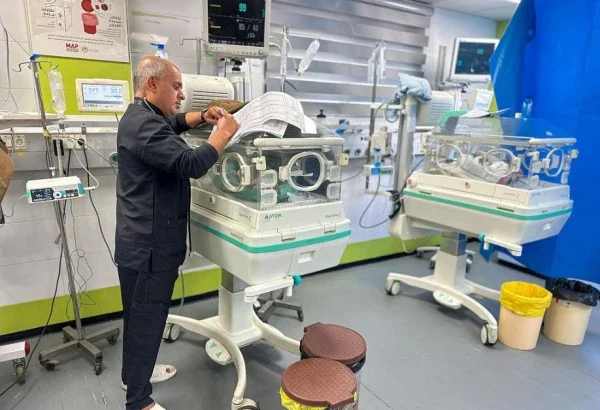
At Nasser Medical Complex in southern Gaza, the neonatal department is operating under intense pressure, with hospital officials warning that both space and specialised equipment are running dangerously low.
In some cases, two or even three newborns are being placed in a single incubator because there is simply not enough capacity to accommodate all the babies requiring intensive care.
Most of the infants are born prematurely or with low birth weight and require oxygen and round-the-clock medical supervision. Doctors and nurses are working with limited resources as they attempt to keep fragile newborns alive.
Dr Hatem Zahir, a doctor at Nasser Hospital, told AFP that premature births have increased significantly in recent months. Medical workers have also observed more cases involving twins and triplets, further increasing pressure on already overcrowded neonatal units.
Attempts are being made to transfer babies to other hospitals, but those facilities are also struggling with limited space and equipment.
According to the United Nations humanitarian agency, one in every three pregnancies in Gaza had been classified as high-risk, while many babies are being born prematurely or at dangerously low weights. The agency has warned that placing multiple newborns inside a single incubator can increase the risk of infection and death.
The crisis reflects the wider collapse of Gaza’s healthcare system after prolonged war. Several medical facilities have been destroyed, damaged or forced to operate only partially, while shortages of fuel, oxygen, medicines and specialised equipment continue to hamper treatment.
Doctors are also concerned about newborns with serious congenital conditions. One baby girl diagnosed with a severe heart defect required specialised treatment at another facility, but limited local medical capabilities made her transfer and treatment extremely difficult.
UNICEF has increased efforts to support neonatal care in Gaza, supplying hospitals with incubators, ventilators and patient monitors. The agency says 93 incubators have so far been delivered to six medical facilities, but healthcare workers stress that the need remains far greater.
Despite the desperate conditions, medical teams continue to care for vulnerable newborns around the clock.
But doctors warn that without a sustained supply of incubators, oxygen, fuel, medicines and specialised equipment, even basic neonatal care could become increasingly difficult — turning the first days of life into a perilous struggle for survival.
We welcome your contributions! Submit your blogs, opinion pieces, press releases, news story pitches, and news features to opinion@minutemirror.com.pk and minutemirrormail@gmail.com