Summary
- Across multiple war zones around the globe, military hostilities and direct attacks on aid workers are pushing millions of civilians to the brink.
- Rising Hostilities and Explosive Hazards Across the Middle East The security landscape in southern Lebanon and Gaza remains extremely volatile.
- Further west, intense fighting in the Sirba locality of West Darfur displaced around 18,000 civilians in a single week, sending thousands fleeing across the border into neighboring Chad.
Across multiple war zones around the globe, military hostilities and direct attacks on aid workers are pushing millions of civilians to the brink. Frontline personnel operating in Ukraine, the Middle East and Sudan are struggling to deliver basic survival services under increasingly perilous conditions.
Strikes on Essential Infrastructure and Relief Assets in Ukraine
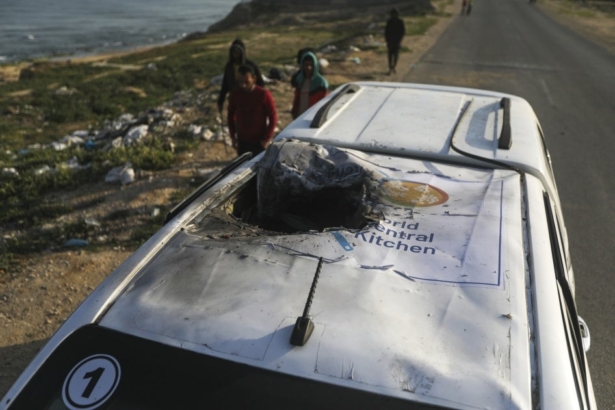
Violence across Ukraine continues to inflict heavy civilian casualties. It claimed lives and injuring children across nine major regions, including Kyiv, Kharkiv, Odesa and Zaporizhzhia. The intense shelling has directly hindered humanitarian operations beyond damaging residential neighborhoods and essential municipal utilities. A recent strike in the city of Dnipro destroyed a primary World Health Organization (WHO) supply warehouse. The attack wiped out crucial medical inventory earmarked for frontline healthcare facilities. Meanwhile, emergency personnel in the Kherson region reported damage to a civilian evacuation transport and a direct hit on a World Food Programme (WFP) partner truck carrying essential food supplies. Despite these continuous risks, relief organizations remain active on the ground, delivering immediate trauma care, psychological support, and essential survival provisions to impacted communities.
Rising Hostilities and Explosive Hazards Across the Middle East
The security landscape in southern Lebanon and Gaza remains extremely volatile. Peacekeepers with the UN Interim Force in Lebanon (UNIFIL) monitored hundreds of artillery rounds and dozens of airspace incursions by Israeli forces over a single weekend. Direct fire incidents were recorded near UN observer positions in Meiss ej Jebel, alongside sightings of naval activity along the coast. Crucially, peacekeepers are working to clear hazardous remnants of war, having uncovered loaded rocket launchers, unexploded shells, and improvised explosive devices scattered across southern villages.
In Gaza, ongoing military activity continues to imperil non-combatants and expand basic survival needs. Unexploded ordnance represents one of the most severe long-term dangers to returning residents and reconstruction crews. Specialist teams have identified and marked more than 1,000 explosive items across the Gaza Strip since late 2023. These clearance operations are vital for allowing workers to clear heavy rubble, restore water infrastructure, and safely access damaged facilities. To prevent further civilian casualties, mine safety specialists conducted targeted educational workshops reaching over 63,000 individuals in the past month alone.
Sudan’s Escalating Displacement and Extreme Budget Drought
In Africa, Sudan’s protracted conflict is driving mass displacement while relief budgets rapidly dry up. Severe insecurity around El Obeid in North Kordofan State has uprooted thousands of residents seeking sanctuary, forcing aid agencies to scramble to supply two million liters of drinkable water to roughly 133,000 displaced individuals facing acute shortages. Further west, intense fighting in the Sirba locality of West Darfur displaced around 18,000 civilians in a single week, sending thousands fleeing across the border into neighboring Chad.
Compounding the human toll is a crippling financial deficit. The global humanitarian appeal for Sudan remains underfunded at just 41 percent, having received only $1.2 billion of the required $2.9 billion. This severe shortage has already forced the closure of multiple health centers in Central Darfur, leaving an estimated 75,000 displaced people completely cut off from basic healthcare services.
Growing Risks of Regional Spillover in Yemen
The fragile stability in Yemen is also facing its most precarious moment since the 2022 truce. UN Envoy Hans Grundberg warned that recent escalations risk dragging the nation into a broader regional conflict, erasing years of diplomatic progress. Relief agencies emphasize that without immediate de-escalation, sustained diplomacy, and dedicated financial backing from international donors, global humanitarian networks will remain severely stretched, leaving millions of vulnerable civilians without access to life-saving assistance.
We welcome your contributions! Submit your blogs, opinion pieces, press releases, news story pitches, and news features to opinion@minutemirror.com.pk and minutemirrormail@gmail.com