Summary
- The federal government has announced the rate of petrol by Re0.94 per litre while raising high-speed diesel (HSD) by Re0.54 per litre.
- Under the newly adjusted tariffs, petrol will now sell at Rs324.98 per litre, whereas HSD will cost consumers Rs382.79 per litre.
- Despite these minor shifts, significant fiscal levies remain embedded in local pump prices, with taxes and duties standing at Rs114 per litre for petrol and Rs100 per litre for diesel.
The federal government has announced the rate of petrol by Re0.94 per litre while raising high-speed diesel (HSD) by Re0.54 per litre. Under the newly adjusted tariffs, petrol will now sell at Rs324.98 per litre, whereas HSD will cost consumers Rs382.79 per litre. Despite these minor shifts, significant fiscal levies remain embedded in local pump prices, with taxes and duties standing at Rs114 per litre for petrol and Rs100 per litre for diesel.
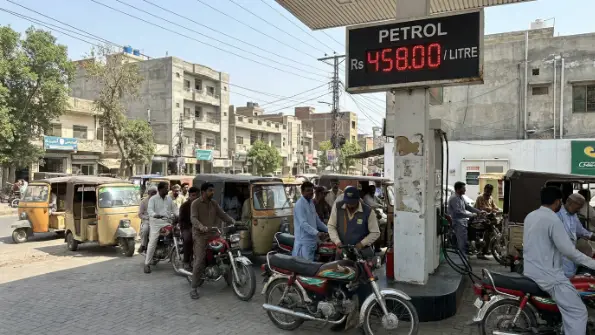
According to official directives issued by the Petroleum Division, the revised rates take effect immediately for August 13. This latest decision highlights a broader downward trend from the historic spikes observed earlier this year. Fuel prices experienced an unprecedented surge following the breakout of the US-Iran conflict in late February. HSD, which traded around Rs281 per litre before the geopolitical crisis, climbed sharply to reach an all-time peak of Rs520.35 on April 3 before gradually retreating. Similarly, petrol prices escalated from Rs266 in early March to a maximum height of Rs458.41 on the same April date before cooling down to present levels.
In a structural shift to handle ongoing market volatility, Petroleum Minister Ali Pervaiz Malik revealed that fuel pricing will transition to a daily adjustment mechanism. While the government had temporarily relied on weekly pricing revisions and targeted subsidy schemes since March to buffer against Middle Eastern supply disruptions, authority over price setting has now been formally handed over to the Oil and Gas Regulatory Authority (OGRA). Under the approval of the Prime Minister and the federal cabinet, OGRA will directly track daily international market fluctuations to determine local retail costs.
However, this policy pivot has met swift pushback from commercial stakeholders. The All Pakistan Dealers Association strongly rejected the transition to daily rate changes, warning that the organization is formulating a formal protest strategy to oppose the decision.
The economic stakes of these pricing shifts remain high across every level of society. Petrol costs directly influence everyday commuters, small vehicle operators, rickshaw drivers, and motorcycle owners, placing immediate financial pressure on middle- and lower-income households when rates rise. On the other hand, diesel price movements carry a broader inflationary impact, as HSD powers heavy transport fleets, agricultural machinery, power generation plants, and industrial backup generators. Together, petrol and diesel form the bedrock of the national energy supply and state revenue, generating massive combined monthly sales of 700,000 to 800,000 tonnes, compared to a meager 10,000 tonnes of monthly demand for kerosene. Daily adjustments will now determine how these vital economic drivers impact consumers nationwide.
We welcome your contributions! Submit your blogs, opinion pieces, press releases, news story pitches, and news features to opinion@minutemirror.com.pk and minutemirrormail@gmail.com