Summary
- Yemen’s Iran aligned Houthi movement has accused Saudi Arabia of carrying out airstrikes against Sanaa International Airport, adding a new front to the widening confrontation across the Gulf region as fighting between the United States and Iran continues to escalate.
- The alleged involvement of Saudi Arabia in the Sanaa airport strike, whether confirmed or not, threatens to draw additional regional actors into a conflict that has already drawn in the United States, Iran, and multiple Gulf states hosting American military installations.
- As the situation continues to develop across multiple fronts, from the direct exchange of strikes between the United States and Iran to the emerging dispute over the Sanaa airport attack, regional governments and international observers are watching closely to determine whether the conflict will expand further or whether renewed diplomatic efforts might still salvage elements of last month’s agreement.
Houthis blame Saudi Arabia for Sanaa airport strike as Gulf conflict widens beyond Iran
Yemen’s Iran aligned Houthi movement has accused Saudi Arabia of carrying out airstrikes against Sanaa International Airport, adding a new front to the widening confrontation across the Gulf region as fighting between the United States and Iran continues to escalate.
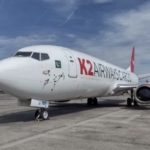
Houthi military spokesperson Yahya Saree said on a Telegram channel that Saudi Arabia’s alleged strike would not go unanswered and warned that the group would respond with punishment. Saree described the attack as bringing an end to what he called the de escalation phase in the Houthis’ ongoing confrontation with Riyadh.
Yemen’s internationally recognized government, based in Aden and lacking control over the capital Sanaa, offered a different account of the incident. The government’s defense ministry said Yemen’s own armed forces had targeted the runway at Sanaa airport, contradicting the Houthi claim that Saudi Arabia carried out the strike. Saudi Arabia has long served as a primary backer of the Aden based government and remains a committed adversary of the Houthi movement, which has controlled Sanaa and much of northern Yemen for years.
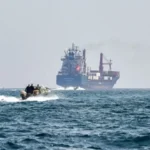
The dispute over responsibility for the airport strike emerged as the United States and Iran traded heavy air assaults in the latest cycle of attacks and retaliation between the two countries. Iran said it targeted American military assets across the Gulf and announced that it had closed the Strait of Hormuz, one of the world’s most critical shipping corridors, after the United States accused Tehran of striking another commercial vessel in the waterway.
The renewed fighting between Washington and Tehran has cast serious doubt over the future of an interim agreement the two countries reached last month, following 60 days of negotiations aimed at reopening the strait and bringing an end to the broader war. President Donald Trump addressed the escalating conflict in a phone interview with a news outlet on Sunday, saying that American forces were inflicting significant damage on Iran.
The alleged involvement of Saudi Arabia in the Sanaa airport strike, whether confirmed or not, threatens to draw additional regional actors into a conflict that has already drawn in the United States, Iran, and multiple Gulf states hosting American military installations. The Houthis have periodically launched attacks against Saudi Arabia and its allies in recent years, and any confirmed Saudi strike against Houthi controlled territory would mark a significant shift after a period of relative calm between Riyadh and the movement.
Yemen has remained divided between the Houthi controlled north, including the capital Sanaa, and the internationally recognized government based in Aden since the country’s civil war began years ago. Saudi Arabia has led a coalition supporting the Aden government for much of that conflict, though tensions between Riyadh and the Houthis have fluctuated in intensity depending on broader regional dynamics, including the current confrontation between the United States and Iran.
Analysts tracking the situation note that renewed hostilities between Washington and Tehran often create ripple effects across Yemen, given the Houthis’ alignment with Iran and their history of launching attacks in solidarity with Tehran during periods of heightened regional tension. The conflicting accounts over who struck Sanaa airport underscore the difficulty of verifying claims in a region where multiple armed actors operate with competing narratives and limited independent access for journalists and international observers.
The closure of the Strait of Hormuz carries significant implications for global energy markets, since the waterway serves as a critical passage for oil and gas shipments from major Gulf producers. Iran’s announcement that it has shut the strait, combined with the accusation that Tehran struck another vessel transiting the waterway, threatens to disrupt shipping routes that had only recently begun recovering following the interim agreement reached last month.
As the situation continues to develop across multiple fronts, from the direct exchange of strikes between the United States and Iran to the emerging dispute over the Sanaa airport attack, regional governments and international observers are watching closely to determine whether the conflict will expand further or whether renewed diplomatic efforts might still salvage elements of last month’s agreement.
We welcome your contributions! Submit your blogs, opinion pieces, press releases, news story pitches, and news features to opinion@minutemirror.com.pk and minutemirrormail@gmail.com