Summary
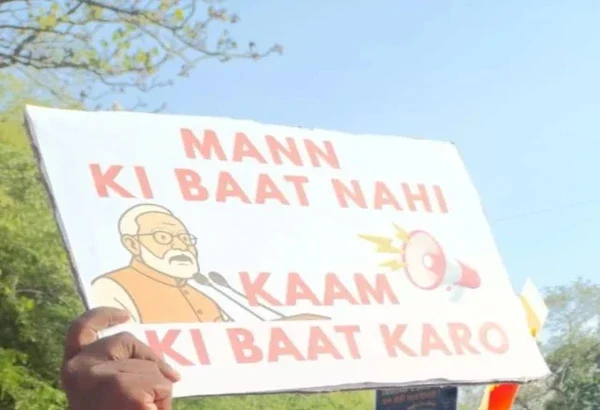
- Instead of relying solely on slogans and marches, Generation Z is using memes, Instagram Reels, viral trends, and pop culture references to transform street demonstrations into a social media movement.
- Memes Become a Powerful Protest Tool Unlike traditional demonstrations, Gen Z participants are blending activism with internet culture.
- Viral memes, trending audio clips, and humorous videos have become powerful tools for spreading their message beyond protest sites.
NEW DELHI: What began as a protest over alleged exam paper leaks in India has evolved into something far bigger—and far more digital. Instead of relying solely on slogans and marches, Generation Z is using memes, Instagram Reels, viral trends, and pop culture references to transform street demonstrations into a social media movement.
The demonstrations, centered around alleged irregularities in the NEET medical entrance examination and concerns over transparency in recruitment and education, have continued for weeks at New Delhi’s Jantar Mantar, where students are demanding accountability and reforms.
At the heart of the campaign is the Cockroach Janata Party (CJP), a youth-led movement that initially emerged after a sarcastic remark reportedly linked to India’s Chief Justice. What started as an online response quickly expanded into a broader campaign highlighting alleged examination leaks, recruitment irregularities, and calls for reforms in India’s education system.
Protesters are demanding the resignation of Education Minister Dharmendra Pradhan and a comprehensive overhaul of the country’s examination process, arguing that repeated controversies have undermined students’ trust in competitive exams.
Memes Become a Powerful Protest Tool
Unlike traditional demonstrations, Gen Z participants are blending activism with internet culture. Viral memes, trending audio clips, and humorous videos have become powerful tools for spreading their message beyond protest sites.
Rather than using conventional political messaging, young creators are adapting popular online formats to explain their frustrations in a way that resonates with millions of social media users.
The strategy has helped the movement gain significant attention on platforms such as Instagram, where short-form videos often reach audiences much larger than traditional news coverage.
‘Get Ready With Me’—For a Protest
One of the movement’s most recognizable trends is the adaptation of the viral “Get Ready With Me” (GRWM) format.
Normally associated with makeup tutorials or fashion content, the videos now begin with captions such as, “Get ready with me to join the NEET paper leak protest.”
Instead of cosmetics, creators show themselves preparing protest placards, packing water bottles, carrying first-aid kits, and heading to demonstration sites with friends.
The creative twist has struck a chord with young viewers, turning ordinary protest preparations into relatable and widely shared content.
Romance Trend Gets a Political Twist
Another viral internet format, “Who Said I Love You First?”, has also been reimagined.
Typically featuring playful romantic questions between couples, protesters have replaced the dialogue with sarcastic exchanges about exam leaks, government policies, and student frustrations.
The humorous approach allows serious concerns to be communicated through entertaining content, making the videos highly shareable while keeping attention focused on the movement’s demands.
Real Life Meets ‘Subway Surfers’
Perhaps the most eye-catching trend compares protesters running from police with the popular mobile game Subway Surfers.
Several Instagram Reels feature demonstrators moving through streets while the game’s iconic background music plays, creating a humorous parallel between the game’s endless chase sequences and real-life protest scenes.
For many young Indians who grew up playing the game, the comparison instantly resonated, helping the videos spread rapidly across social media.
Digital Activism Enters a New Era
Analysts say the movement highlights a broader shift in youth activism, where online engagement is becoming as influential as demonstrations on the ground. Memes, viral challenges, and short videos are no longer just entertainment—they have become tools for mobilizing support, shaping public conversations, and amplifying calls for change.
Whether these creative online campaigns translate into policy reforms remains uncertain. But one thing is clear: Gen Z has rewritten the rules of modern protest, proving that in the age of social media, a viral meme can sometimes carry as much impact as a protest banner.
We welcome your contributions! Submit your blogs, opinion pieces, press releases, news story pitches, and news features to opinion@minutemirror.com.pk and minutemirrormail@gmail.com