Summary
- These are the Khyber and Quetta tea stalls, or dhabas.
- They began selling tea on the streets, which is how the Khyber and Quetta tea stalls originated.
- Those at the Khyber and Quetta tea stalls readily share their views.
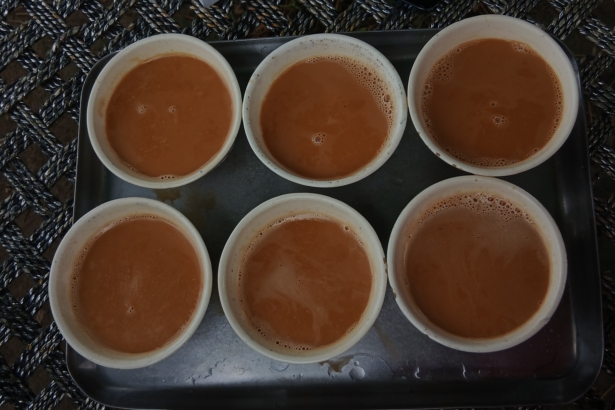
Whether it’s Lahore, Karachi, Rawalpindi, or Islamabad, you’ll discover something interesting if you step into any city after dark. Chairs line the pavements. Large iron pots hiss as they fry lachha parathas. You can see big aluminum kettles releasing steam into the night air. These are the Khyber and Quetta tea stalls, or dhabas. They reflect a cultural shift in how people connect with each other. This all began as a way for folks from Balochistan and Khyber Pakhtunkhwa to earn a living. They migrated to cities due to a drought that ruined their farms. They started selling a tea called doodh patti.
Over time, these tea stalls evolved. They attracted more than just workers. College students, graduates, activists, writers, and artists began visiting. For just 100 rupees, you could get a cup of tea and stay as long as you liked. You could sip your tea and engage in conversation for hours. These became the immediate spaces of cultural amalgamation and suddenly the voices became one despite the language barrier.
Lala, do chai rawra!
(Brother, bring two cups of tea, please!)
From a Crisis to a Revolution
The story of these tea stalls started with a drought in the 1990s and early 2000s in Balochistan. Many people lost their farms and moved to cities. They began selling tea on the streets, which is how the Khyber and Quetta tea stalls originated. For many in Pakistan, these tea stalls serve as a gathering place. Here, people can speak freely without fear. They discuss topics like the economy and politics. The stalls are designed to encourage conversation. People sit at tables and easily join in each other’s discussions. On any given night, you can hear chatter about IMF bailouts, constitutional amendments, and regional politics. The setup of the stalls invites interaction. An argument about climate policy can quickly shift to a talk about inflation. Those at the Khyber and Quetta tea stalls readily share their views.
These tea stalls have also become venues for art. Young people use the tables to showcase their work. Writers edit documents on their laptops. Musicians perform on the sidewalk. The stalls feature vibrant truck art and vintage portraits. This environment inspires creators and street photographers. The Khyber and Quetta tea stalls buzz with life and energy. The success of the Quetta and Khyber tea stalls highlights the need for spaces where young people can gather. By transforming a food stop into a hub for discussion, they’ve carved out their own space. In every cup of doodh patti, they find the motivation to debate, create, and envision a future for their country, Pakistan.
We welcome your contributions! Submit your blogs, opinion pieces, press releases, news story pitches, and news features to opinion@minutemirror.com.pk and minutemirrormail@gmail.com