Summary
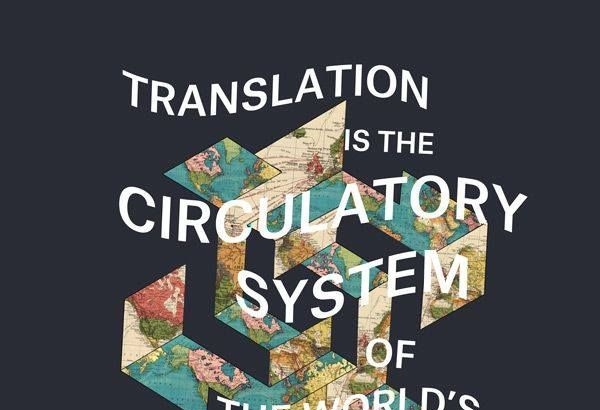
- Translation is finally recognized as a sophisticated, creative art form that acts as the lifeblood of global storytelling.
- Ultimately, translation is what prevents global literature from becoming an echo chamber.
- The delicate craft of translation and the global literary community ensure that stories are no longer limited to by borders of the language in which they were born.
For generations, the international publishing world operated around a narrow geographic axis. Books written in dominant English-speaking hubs dominated bookstore displays worldwide. Stories crafted in regional languages across Asia, Africa, South America, and Eastern Europe struggled to secure international distribution. When works were translated, the process was often viewed as a purely mechanical service. A utilitarian act of converting words from one dictionary to another. Today, a seismic cultural shift is redefining global literature. Translation is finally recognized as a sophisticated, creative art form that acts as the lifeblood of global storytelling.
Recent publishing trends and prestigious accolades, such as the International Booker Prize, highlight this remarkable transformation. In 2026, the prize made history by awarding its top honor to Taiwan Travelogue by Yáng Shuāng-zǐ, brilliantly translated from Taiwanese Mandarin into English by Lin King. This historic win marking the first time a Taiwanese Mandarin work secured the award highlighted a broader reality. Global audiences are hungrier than ever for diverse, culturally distinct narratives. Over the past decade, sales of translated fiction have surged dramatically, proving that readers no longer seek comfort solely in familiar local settings.
At the center of this movement is a fundamental re-evaluation of the translator’s role. Far from being invisible ghostwriters, translators are cultural ambassadors and literary artists in their own right. Translating a novel is rarely a matter of word-for-word substitution. Every language carries unique rhythms, idioms, historical baggage, and untranslatable social nuances. When a translator approaches a text, they must reconstruct its tone, preserve its emotional core, and decide how to navigate cultural concepts that have no direct equivalent in the target language. They rewrite the story from the inside out, ensuring it resonates authentically with a brand-new audience without stripping away its original soul.
This evolving respect for translation has sparked important industry changes, such as the widely supported movement to print translators’ names directly on book covers alongside the author’s. Independent publishers are leading the charge, taking bold risks on works translated from lesser-represented languages, including Kannada, Taiwanese, Bulgarian, and Arabic. Digital distribution platforms have further accelerated this trend, allowing indie books to cross oceans instantly.
Ultimately, translation is what prevents global literature from becoming an echo chamber. It dismantles geographical gatekeeping, fosters empathy across political divides, and allows readers to step directly into the lived experiences of people half a world away. The delicate craft of translation and the global literary community ensure that stories are no longer limited to by borders of the language in which they were born.
We welcome your contributions! Submit your blogs, opinion pieces, press releases, news story pitches, and news features to opinion@minutemirror.com.pk and minutemirrormail@gmail.com