Summary
- The head of the International Maritime Organisation (IMO) has declared that any mandatory tolls or system undermining free navigation through the Strait of Hormuz would be illegal under international law, while proposing a voluntary fund as a practical alternative to manage the strategic waterway.
- The trilateral framework involving Indonesia, Malaysia, and Singapore has operated since 2007, funded largely through voluntary contributions from user states and the shipping industry rather than compulsory tolls, to support navigational safety and environmental protection in the busy waterway.
- By proposing a voluntary fund modelled on the Straits of Malacca arrangement, Dominguez is offering a pragmatic alternative to compulsory tolls that might be seen as undermining the principle of free navigation.
The head of the International Maritime Organisation (IMO) has declared that any mandatory tolls or system undermining free navigation through the Strait of Hormuz would be illegal under international law, while proposing a voluntary fund as a practical alternative to manage the strategic waterway.
Arsenio Dominguez, secretary-general of the IMO, told Al Jazeera that he had discussed “management of the strait” with Omani officials, including talks about the existing arrangement in the Straits of Malacca and Singapore. The trilateral framework involving Indonesia, Malaysia, and Singapore has operated since 2007, funded largely through voluntary contributions from user states and the shipping industry rather than compulsory tolls, to support navigational safety and environmental protection in the busy waterway.
“It’s learning from something that already exists, that is being tested,” Dominguez explained, adding that the aim is to find practical solutions to the crisis triggered by regional conflict. He said he intends to present various options to IMO member states “to see what is viable.”
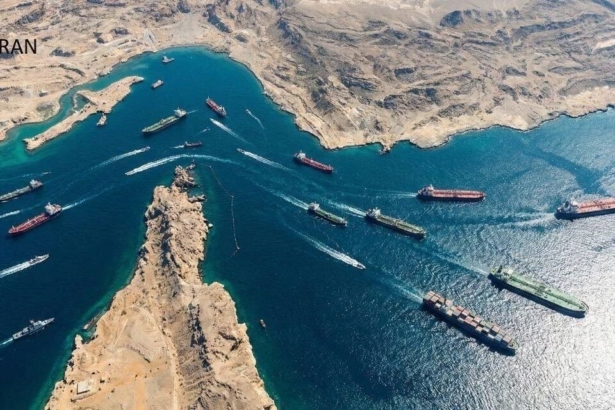
The proposal comes amid heightened tensions over the Strait of Hormuz, through which approximately 20 percent of global oil supplies pass. Iran has insisted on sole control over de-mining operations in the strait, while France and other nations have expressed interest in international cooperation to clear the waterway. The strait has been the scene of multiple attacks on commercial shipping, and its status as a critical chokepoint for global energy supplies has made its management a matter of international concern.
The IMO chief’s remarks represent a significant intervention in the debate over how to secure the strait and ensure freedom of navigation. By proposing a voluntary fund modelled on the Straits of Malacca arrangement, Dominguez is offering a pragmatic alternative to compulsory tolls that might be seen as undermining the principle of free navigation. The proposal also reflects the IMO’s broader efforts to promote cooperation between states in managing shared maritime resources.
As the US and Iran continue technical talks in Switzerland under the Islamabad Memorandum of Understanding, the question of how to manage the Strait of Hormuz remains a critical unresolved issue. The IMO’s proposal could provide a framework for international cooperation that respects Iranian sovereignty while ensuring the safety and security of the waterway for all users. However, any such arrangement would require the consent of all parties involved, including Iran, and would need to be integrated into the broader diplomatic framework currently being negotiated.
We welcome your contributions! Submit your blogs, opinion pieces, press releases, news story pitches, and news features to opinion@minutemirror.com.pk and minutemirrormail@gmail.com