Summary
- The Monthly report showed that consumer inflation reached 10.3 percent in September, down from 11.1 percent in August but significantly higher than 5.8 percent in September last year.
- Goods exports rose 7.7 percent to $8.5 billion during July to September of fiscal year 2027, but imports increased 14.3 percent to $17.8 billion.
- The report said agricultural credit increased 32.7 percent to Rs540.5 billion during July and August.
Islamabad: Pakistan has raised its key interest rate to 12 percent as inflation remains above 10 percent, international oil prices surge and the country’s import bill grows faster than exports, highlighting the risks facing the economic recovery despite stronger foreign reserves and improved financial inflows.
The State Bank of Pakistan increased the policy rate by 0.5 percentage points, effective October 27, 2026, to control inflation risks linked to the worsening Middle East conflict and high global energy prices, according to the Finance Division’s October Economic Update and Outlook.
The Monthly report showed that consumer inflation reached 10.3 percent in September, down from 11.1 percent in August but significantly higher than 5.8 percent in September last year. Transport prices increased by 27.4 percent compared with a year earlier, while housing, water, electricity, gas and fuel costs rose by 12.4 percent.
The pressure comes as Brent crude oil averaged $116.8 per barrel in September, a 28.4 percent increase from August. Higher oil prices raise Pakistan’s import costs and can make transport, production and the delivery of goods more expensive.
The Finance Division expects inflation to remain between 9.5 and 10.5 percent in October. It warned that the future direction of prices will depend on international energy costs, food supplies and other economic conditions.
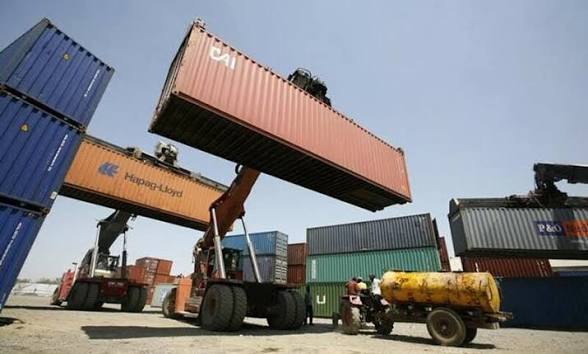
Pakistan’s external trade figures also revealed a growing gap. Goods exports rose 7.7 percent to $8.5 billion during July to September of fiscal year 2027, but imports increased 14.3 percent to $17.8 billion. This pushed the current account deficit to $874 million, compared with $755 million in the same period last year.
The country received some relief from overseas Pakistanis, whose remittances increased 14 percent to $10.9 billion during the quarter. Foreign direct investment also rose nearly 20 percent to about $720 million.
A major boost came from Pakistan’s successful $3 billion Eurobond issuance in September. Portfolio investment recorded net inflows of about $2.9 billion, compared with net outflows of $633.3 million a year earlier.
These inflows helped lift the overall balance of payments to a surplus of $3.1 billion, compared with a deficit of $274 million in the same quarter last year. By October 16, the State Bank’s liquid reserves stood at $21.5 billion, while total liquid foreign reserves reached $26.8 billion.
However, stronger foreign reserves have not removed the pressure on public finances. The government recorded an overall fiscal surplus of Rs1.2 trillion, equal to 0.8 percent of gross domestic product, during July and August. This was lower than the Rs2.12 trillion surplus, equal to 1.7 percent of GDP, recorded in the same period last year.
The primary surplus, which excludes interest payments on government debt, also fell from Rs2.94 trillion to Rs2.31 trillion. The report attributed the pressure partly to a 36.6 percent increase in interest payments, while subsidies were cut by 90 percent.
The Federal Board of Revenue collected Rs3.09 trillion in taxes during July to September, an increase of 7 percent and Rs33.2 billion above its target. Direct taxes grew 5.5 percent, while indirect taxes rose 8.3 percent.
Economic activity remained mixed. Large scale manufacturing grew by only 1.9 percent during July and August, compared with 4.8 percent in the same period last year. Output in August was 5 percent lower than in July.
The automobile sector performed better. During July to September, truck and bus production increased 54.2 percent, car production rose 31.8 percent and two and three wheeler production climbed 28.1 percent. Cement dispatches increased 3.9 percent to 13.1 million tonnes, supported by stronger domestic demand.
Agriculture also showed gains, although not across every crop. Maize production was estimated at 9.98 million tonnes, up 12.1 percent, while sugarcane output rose 8.8 percent to 97.3 million tonnes. Rice production reached an estimated 10.2 million tonnes, up 1.8 percent. Cotton production, however, fell 4.8 percent to 6.71 million bales.
The report said agricultural credit increased 32.7 percent to Rs540.5 billion during July and August. Urea use rose 8.4 percent during the Kharif season, but DAP fertiliser use fell 25.4 percent.
The government expects stronger crops, manufacturing, construction and export earnings to support growth during fiscal year 2027. Revised national accounts put economic growth for fiscal year 2026 at 3.65 percent, with agriculture growing 3.50 percent, industry 3.34 percent and services 3.81 percent.
We welcome your contributions! Submit your blogs, opinion pieces, press releases, news story pitches, and news features to opinion@minutemirror.com.pk and minutemirrormail@gmail.com