Summary
- It is particularly concerning that certain unscrupulous elements and traders are exploiting this situation by encouraging artificial price hikes and engaging in unjustified profiteering, making life increasingly difficult for the public.
- Despite reductions in the prices of petroleum products, the prices of essential commodities and public transport fares have not been reduced proportionately.
- If timely and practical measures are not taken to curb the sale of expired products, artificial price hikes, unjustified profiteering and food adulteration, the consequences could prove detrimental to public health and social welfare.
Muhammad Iqbal Awan
Due to inflation, the prices of essential commodities have risen alarmingly, further aggravating the difficulties faced by ordinary citizens. It is particularly concerning that certain unscrupulous elements and traders are exploiting this situation by encouraging artificial price hikes and engaging in unjustified profiteering, making life increasingly difficult for the public.
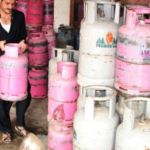
Despite reductions in the prices of petroleum products, the prices of essential commodities and public transport fares have not been reduced proportionately. The price of domestic gas for a 12-kilogram cylinder has also been increased by sellers themselves, with an additional charge of nearly Rs 2,000. However, effective supervision and proper checks and balances are noticeably absent. The question arises: whenever petroleum prices increase, their impact is immediately reflected in the prices of commodities and transport fares. However, when petroleum prices fall, why does the public receive no corresponding relief?
Unfortunately, the system of checks and balances appears to be extremely weak. Under the prevailing social conditions, a large number of consumers hesitate to lodge complaints against unjustified price increases because they fear that the concerned shopkeeper or trader may refuse to sell them essential items in the future. They may also have to face social embarrassment or strained relations within their communities. To address this problem, an effective mechanism is essential to protect consumers’ rights and ensure the timely redressal of their complaints. Compared with major cities, consumers in towns and villages are often charged considerably higher prices. Although market supervision may be relatively better in urban centres, residents of remote villages are frequently left at the mercy of inflation, unjustified profiteering and substandard commodities. The district administration should not confine itself to office-based activities or merely wait for public complaints. Instead, concerned officials and specially constituted inspection teams should regularly visit all areas of the district and vigilantly monitor markets, shops and commercial establishments.
Another serious concern is the sale of substandard, adulterated and expired food items in shops across towns and cities. The widespread availability and sale of such products pose a grave threat to public health, particularly the health and well-being of the younger generation.
Access to safe, hygienic and quality food products is a fundamental consumer right. This issue cannot be ignored or compromised, particularly when the health and future of the younger generation are at stake. Merely displaying price lists or announcing formal administrative measures is not enough; their effective implementation on the ground is essential.
If timely and practical measures are not taken to curb the sale of expired products, artificial price hikes, unjustified profiteering and food adulteration, the consequences could prove detrimental to public health and social welfare. Therefore, the district administration must ensure an effective system of checks and balances not only in major cities but also in towns and remote villages. Providing relief to the public, protecting consumer rights and ensuring the availability of safe and quality commodities are fundamental responsibilities of the concerned departments.
We welcome your contributions! Submit your blogs, opinion pieces, press releases, news story pitches, and news features to opinion@minutemirror.com.pk and minutemirrormail@gmail.com