Summary
- Iran has officially begun the state funeral ceremonies for its late Supreme Leader, Ayatollah Ali Khamenei, with the first major gathering taking place at Tehran’s Mosalla Grand Prayer Hall and the surrounding streets.
- Although many people expected Iran’s newly appointed Supreme Leader, Mojtaba Khamenei, to preside over the prayers, reports indicate that he will not attend his father’s funeral because of serious security concerns.
- Historically, Iran has not required a newly appointed Supreme Leader to lead the funeral prayer for a predecessor.
Iran has officially begun the state funeral ceremonies for its late Supreme Leader, Ayatollah Ali Khamenei, with the first major gathering taking place at Tehran’s Mosalla Grand Prayer Hall and the surrounding streets. Authorities opened the vast prayer complex early to accommodate the large crowds, as hundreds of thousands of mourners arrived to pay their final respects. Iranian officials expect attendance to grow significantly over the coming days as funeral events continue across several cities.
One of the main questions surrounding the ceremonies is who will lead the funeral prayers. Although many people expected Iran’s newly appointed Supreme Leader, Mojtaba Khamenei, to preside over the prayers, reports indicate that he will not attend his father’s funeral because of serious security concerns. The Iranian government has not yet issued an official statement confirming who will lead the prayers or whether the same religious figure will preside over ceremonies in Tehran, Qom, and Mashhad.
According to sources within Iran’s Ministry of Foreign Affairs, Grand Ayatollah Jafar Sobhani is expected to lead the central funeral prayer in Tehran. However, officials have not formally confirmed the arrangement.
Historically, Iran has not required a newly appointed Supreme Leader to lead the funeral prayer for a predecessor. After the death of Ayatollah Ruhollah Khomeini in June 1989, Grand Ayatollah Mohammad Reza Golpaygani led the funeral prayer. At that time, Ali Khamenei stood in the front row of worshippers, but he had not yet become Supreme Leader. Iranian authorities selected him for the country’s highest religious and political office nearly two months later.
Following the reported death of Ayatollah Ali Khamenei during a joint United States-Israeli military strike on February 28 this year, Iranian leadership quickly moved to appoint a successor within a week. Despite the swift transition of leadership, officials postponed the funeral ceremonies, allowing time to organize a nationwide and international farewell.
The funeral schedule extends over several days. Ceremonies began today and will continue in Tehran from July 4 to July 6. On July 7, another major funeral prayer gathering will take place in Qom. The following day, organizers plan to transport the body to Iraq, where additional funeral prayers will be held in the holy cities of Najaf and Karbala before returning the remains to Iran later that night.
The final funeral prayer is scheduled to take place in Mashhad, where Ayatollah Khamenei will be laid to rest. Officials expect more than ten million mourners to participate throughout the funeral processions, making security one of the government’s highest priorities.
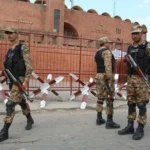
Protecting the new Supreme Leader remains a major concern for Iranian authorities. Large crowds are expected not only to bid farewell to the late leader but also to catch a glimpse of his successor. For that reason, security officials are likely to limit the new leader’s public appearances during the funeral events to reduce potential risks while ensuring the ceremonies proceed safely.
We welcome your contributions! Submit your blogs, opinion pieces, press releases, news story pitches, and news features to opinion@minutemirror.com.pk and minutemirrormail@gmail.com