Summary
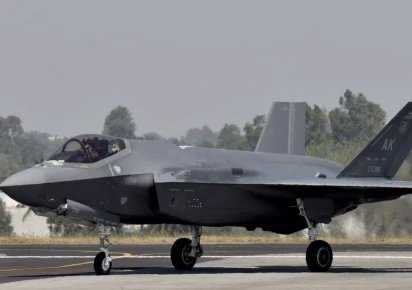
- The conflict between Iran and the United States intensified on Thursday after Iran’s Islamic Revolutionary Guard Corps (IRGC) claimed it destroyed three US F-35 fighter jets during a missile attack on Jordan’s al-Azraq airbase, a key facility used by American forces.
- According to the IRGC, the attack was carried out in retaliation for a US strike on Iran’s Qeshm Island that allegedly killed members of a civilian family.
- Iran’s Revolutionary Guards also announced that three of their personnel were killed in separate US missile attacks, vowing retaliation against what they described as American aggression.
The conflict between Iran and the United States intensified on Thursday after Iran’s Islamic Revolutionary Guard Corps (IRGC) claimed it destroyed three US F-35 fighter jets during a missile attack on Jordan’s al-Azraq airbase, a key facility used by American forces.
According to the IRGC, the attack was carried out in retaliation for a US strike on Iran’s Qeshm Island that allegedly killed members of a civilian family. Iranian officials claimed several ballistic missiles struck aircraft maintenance facilities at the base, destroying three F-35 fighter jets and severely damaging three others. The IRGC also alleged that several US military personnel and technical staff were killed in the attack. No independent confirmation of these claims has been provided by US or Jordanian authorities.
The latest exchange came after the United States launched fresh overnight strikes targeting multiple locations in Iran, including Bushehr, Qeshm, Bandar Abbas, Kish and Abadan. Iranian media reported that residential areas on Qeshm Island were hit, killing three members of one family and injuring two children.
Iran’s Revolutionary Guards also announced that three of their personnel were killed in separate US missile attacks, vowing retaliation against what they described as American aggression.
Meanwhile, Jordan said its air defence systems intercepted and destroyed five Iranian missiles heading toward its territory, marking the fourth consecutive day of missile interceptions. Authorities reported no casualties or damage.
Iraq also sought to distance itself from the growing conflict. A military spokesperson stated there was no evidence that recent regional attacks had been launched from Iraqi territory, while stressing that only official security forces would be responsible for the country’s defence and security.
Iran’s Foreign Ministry said discussions with Omani officials aimed at reducing tensions remain ongoing in Tehran. Iranian officials blamed the continued closure of the Strait of Hormuz and disruptions to global shipping on US and Israeli military operations, insisting that foreign military actions had created instability in one of the world’s most important energy corridors.
The IRGC also claimed two oil tankers attempting to pass through the Strait of Hormuz turned back after a fire broke out on one vessel. The group warned the strategic waterway would remain closed while military pressure against Iran continued.
Elsewhere, Iran condemned recent US and Saudi air strikes inside Iraq, calling them violations of Iraqi sovereignty and international law. The attacks reportedly targeted Iran-aligned groups operating in the country.
The United Nations expressed growing concern over the escalating hostilities. UN Secretary-General António Guterres urged all parties to end military operations immediately and return to diplomatic negotiations, warning that continued escalation could further destabilise the Middle East.
We welcome your contributions! Submit your blogs, opinion pieces, press releases, news story pitches, and news features to opinion@minutemirror.com.pk and minutemirrormail@gmail.com