Summary
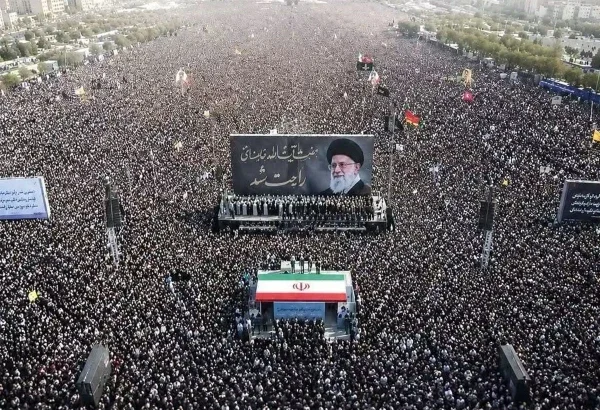
- TEHRAN: Iranian state media has claimed that between 41 million and 43 million people participated in the six-day funeral ceremonies for Iran’s late Supreme Leader Ayatollah Ali Khamenei, describing the events as one of the largest public gatherings in the country’s history.
- According to Al Jazeera, Iran’s state broadcaster Press TV went even further, calling the ceremonies “the largest funeral and public procession in world history.” However, the reported attendance figures have not been independently verified, and no international organization has released official estimates.
- Whether the attendance reached the record-breaking levels claimed by Iranian state media or not, the ceremonies have drawn global attention and are expected to remain a significant moment in Iran’s modern political and religious history.
TEHRAN: Iranian state media has claimed that between 41 million and 43 million people participated in the six-day funeral ceremonies for Iran’s late Supreme Leader Ayatollah Ali Khamenei, describing the events as one of the largest public gatherings in the country’s history.
According to Al Jazeera, Iran’s state broadcaster Press TV went even further, calling the ceremonies “the largest funeral and public procession in world history.” However, the reported attendance figures have not been independently verified, and no international organization has released official estimates.
The mourning events were held across five major cities in Iran and Iraq—Tehran, Qom, Mashhad, Najaf and Karbala—where millions of mourners reportedly gathered to pay their final respects during different stages of the ceremonies.
The official funeral rites began last week at Tehran’s Grand Mosalla, where thousands of people lined up to view Khamenei’s coffin before it was taken through a series of public processions. Religious commemorations, funeral prayers and memorial gatherings continued over the following days, drawing large crowds in multiple locations.
Iranian media reported that participants attended the ceremonies to express their loyalty to the country’s religious and political leadership. Authorities also implemented extensive security measures throughout the events to manage the large crowds and maintain order.
Images and videos released by Iranian state outlets showed packed streets, public squares and religious sites filled with mourners carrying flags, portraits and banners during the processions. The gatherings were widely broadcast across national television and digital platforms as a symbol of national unity.
Despite the official claims, independent verification of the attendance figures remains unavailable. International media organizations and monitoring groups have not confirmed the numbers released by Iranian authorities, making it difficult to determine the actual size of the crowds.
Analysts say the ceremonies carried enormous religious, political and symbolic significance for Iran. Beyond honoring the late supreme leader, the events were also presented by the Iranian leadership as a demonstration of public solidarity during a period of heightened regional tensions and political uncertainty.
The funeral ceremonies came amid an already volatile security environment following recent military confrontations involving Iran, adding further importance to the government’s effort to project unity and resilience.
Whether the attendance reached the record-breaking levels claimed by Iranian state media or not, the ceremonies have drawn global attention and are expected to remain a significant moment in Iran’s modern political and religious history.
We welcome your contributions! Submit your blogs, opinion pieces, press releases, news story pitches, and news features to opinion@minutemirror.com.pk and minutemirrormail@gmail.com