Summary
- TEHRAN: Iran is shifting towards greater economic self-reliance as new US sanctions intensify pressure on its economy, with authorities preparing a two-year strategy to manage growing financial and supply challenges.
- Although Iran says it manufactures most of its medicines domestically, officials have reported shortages affecting hundreds of essential drugs, while medicine prices have increased following changes to subsidised foreign exchange arrangements.
- Despite its long experience with sanctions, Iran now faces the challenge of protecting domestic production and maintaining essential supplies while its economy remains under sustained external pressure.
TEHRAN: Iran is shifting towards greater economic self-reliance as new US sanctions intensify pressure on its economy, with authorities preparing a two-year strategy to manage growing financial and supply challenges.
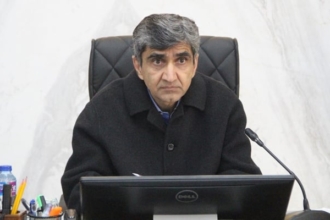
Economy Minister Ali Madanizadeh said Iran’s long experience with sanctions had prepared it to reduce their impact. He said the country would focus on domestic resources and seek opportunities to act independently amid changes in the global balance of power.
The government has reportedly begun building reserves of essential commodities, foreign currency and gold. Central Bank Governor Abdolnaser Hemmati said oil exports, a major source of national revenue, had been severely affected, although foreign currency reserves remain available for importing essential goods.
Iran is nevertheless facing serious economic difficulties, including high inflation and declining purchasing power. The Iranian rial recently fell to a record low, with the US dollar exceeding two million rials in the open market.
Authorities are also placing greater emphasis on domestic food production. Agriculture officials say Iran currently meets most of its agricultural requirements domestically and aims to raise self-sufficiency further. However, the country remains dependent on imports of key commodities such as wheat, rice, corn, edible oil and animal feed.
Rising import costs and disruptions to supply routes have contributed to higher food prices. Official figures indicate that food and beverage prices rose sharply over the past year, adding to pressure on households.
The pharmaceutical sector is also under strain. Although Iran says it manufactures most of its medicines domestically, officials have reported shortages affecting hundreds of essential drugs, while medicine prices have increased following changes to subsidised foreign exchange arrangements.
Energy shortages have added another challenge. Power cuts continue in several cities, while fuel queues have been reported at petrol stations. Officials are repairing infrastructure damaged during the conflict and expect new refineries to increase domestic fuel production.
Economists warn that continued sanctions, war-related damage and shortages could force Tehran to introduce difficult economic reforms, including changes to fuel pricing. Despite its long experience with sanctions, Iran now faces the challenge of protecting domestic production and maintaining essential supplies while its economy remains under sustained external pressure.
We welcome your contributions! Submit your blogs, opinion pieces, press releases, news story pitches, and news features to opinion@minutemirror.com.pk and minutemirrormail@gmail.com