Summary
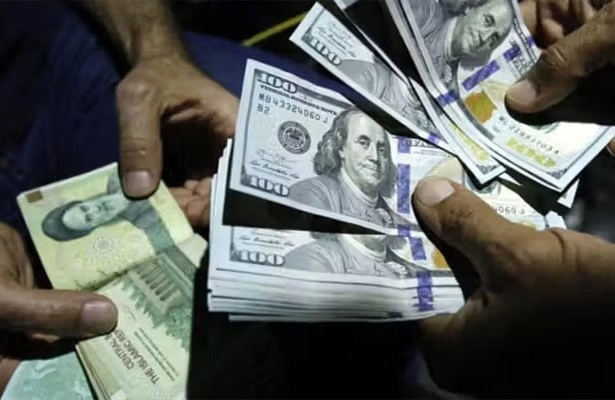
- Iran’s currency has suffered a record decline in value amid continued economic pressure and US sanctions, with the Iranian rial falling to its lowest level ever against the US dollar.
- According to media reports, the Iranian rial has crossed a new threshold, with the value of one US dollar exceeding 2 million Iranian rials in the open market.
- With the rial reaching an unprecedented low against the dollar and food prices continuing to climb, the economic pressure on Iranian households appears to be intensifying.
Iran’s currency has suffered a record decline in value amid continued economic pressure and US sanctions, with the Iranian rial falling to its lowest level ever against the US dollar.
According to media reports, the Iranian rial has crossed a new threshold, with the value of one US dollar exceeding 2 million Iranian rials in the open market. The sharp depreciation has further weakened the purchasing power of ordinary Iranians and increased concerns over the rising cost of essential food items.
The dramatic fall in the value of the rial has become particularly significant when compared with the amount of food that could previously be purchased with the same amount of money. Before the war, 2 million Iranian rials could reportedly buy around four kilograms of tomatoes, half a kilogram of chicken and slightly less than one litre of cooking oil.
Today, however, the same amount of money cannot purchase even half of those quantities, reflecting the severe impact of inflation and the declining value of the Iranian currency on household budgets.
According to the reported figures, the average price of tomatoes has increased by 71 percent, while chicken prices have risen by 74 percent. Cooking oil has seen an even sharper increase, with its price rising by 177 percent.
The rapid increase in food prices has placed additional pressure on Iranian households, particularly those whose incomes have failed to keep pace with inflation. As the rial loses value, imported goods and products dependent on imported raw materials become more expensive, while domestic producers also face higher costs.
The currency crisis has been developing against the backdrop of years of economic sanctions imposed on Iran by the United States. The restrictions have limited Iran’s access to international financial markets and complicated trade and investment, adding pressure to an economy already facing structural challenges.
The latest depreciation has also raised concerns about the broader economic consequences for the Iranian population. A weaker currency can reduce the real value of wages and savings, making it increasingly difficult for families to afford basic necessities.
For ordinary consumers, the impact of the currency’s decline is most visible in supermarkets and food markets, where prices of everyday products continue to rise. Items such as vegetables, meat and cooking oil have become increasingly expensive, forcing many families to reconsider their consumption patterns and household spending.
The comparison involving 2 million Iranian rials illustrates the extent of the change. An amount that once represented enough money to purchase several kilograms of basic food items now has significantly less purchasing power. This decline has contributed to growing concerns about living standards and economic stability.
Economists have long warned that continued currency depreciation can create a cycle in which higher import costs contribute to inflation, while rising prices further weaken consumer purchasing power. Businesses may also face difficulties as they struggle with unpredictable costs and fluctuations in the exchange rate.
The latest fall in the Iranian rial therefore represents more than a change in the currency market. It reflects the wider economic difficulties facing Iran and their direct impact on ordinary people.
With the rial reaching an unprecedented low against the dollar and food prices continuing to climb, the economic pressure on Iranian households appears to be intensifying. The sharp rise in the cost of basic necessities has made the currency crisis increasingly visible in the daily lives of millions of people.
We welcome your contributions! Submit your blogs, opinion pieces, press releases, news story pitches, and news features to opinion@minutemirror.com.pk and minutemirrormail@gmail.com