Summary
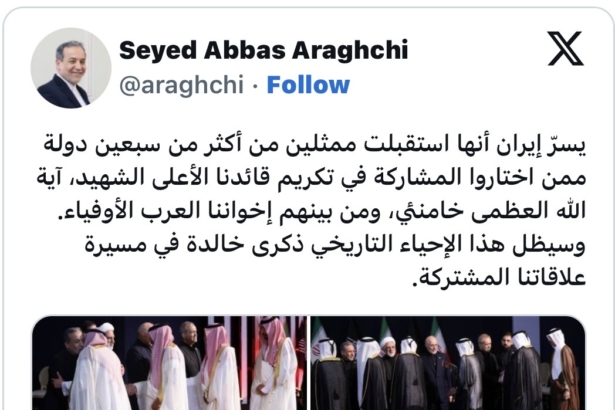
- Iran’s Foreign Minister Abbas Araghchi has praised the participation of representatives from more than 70 countries in the funeral of former supreme leader Ayatollah Ali Khamenei, describing the event as an “everlasting memory in the course of our shared relations.” In a post on X in Arabic, Araghchi wrote: “Iran is pleased to have received representatives from more than 70 countries who chose to participate in honoring our supreme leader, the martyr, Grand Ayatollah Khamenei, including our loyal Arab brothers among them.” The funeral ceremonies, which began on Friday and will continue until July 9, have drawn delegations from across the world, reflecting the significant international attention surrounding Khamenei’s death.
- The regime has used the funeral ceremonies to showcase its international standing and consolidate support among its allies, while also attempting to counter criticism from exiled opposition figures who have dismissed the events as a propaganda spectacle.
- As the ceremonies continue, Iran’s leadership is likely to leverage the international presence to bolster its position in ongoing negotiations with the US and its allies.
Iran’s Foreign Minister Abbas Araghchi has praised the participation of representatives from more than 70 countries in the funeral of former supreme leader Ayatollah Ali Khamenei, describing the event as an “everlasting memory in the course of our shared relations.” In a post on X in Arabic, Araghchi wrote: “Iran is pleased to have received representatives from more than 70 countries who chose to participate in honoring our supreme leader, the martyr, Grand Ayatollah Khamenei, including our loyal Arab brothers among them.”
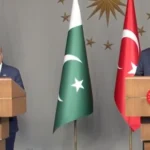
The funeral ceremonies, which began on Friday and will continue until July 9, have drawn delegations from across the world, reflecting the significant international attention surrounding Khamenei’s death. Among those attending are representatives from Pakistan, Iraq, Saudi Arabia, China, and Russia, as well as officials from Hezbollah and Hamas. The presence of “loyal Arab brothers” is particularly notable, as it signals a potential thaw in Iran’s relations with some Arab states that have historically been wary of Tehran’s regional ambitions.
Araghchi’s remarks come as Iran seeks to project strength and unity following Khamenei’s assassination in a US-Israel strike on February 28, which triggered a 108-day war that resulted in over 3,600 casualties in Iran and 13 American troop deaths. The regime has used the funeral ceremonies to showcase its international standing and consolidate support among its allies, while also attempting to counter criticism from exiled opposition figures who have dismissed the events as a propaganda spectacle.
The participation of over 70 countries also underscores the shifting geopolitical dynamics in the Middle East, as nations recalibrate their relationships with Iran in the wake of the US-Iran agreement and the ceasefire. The funeral has provided a platform for diplomatic engagement, with world leaders using the occasion to hold bilateral meetings and discuss regional stability. As the ceremonies continue, Iran’s leadership is likely to leverage the international presence to bolster its position in ongoing negotiations with the US and its allies.
We welcome your contributions! Submit your blogs, opinion pieces, press releases, news story pitches, and news features to opinion@minutemirror.com.pk and minutemirrormail@gmail.com