Summary
- A Japan polio grant of $4.3 million will let Pakistan buy more than 28 million oral vaccine doses for its 2027 campaigns, the Japanese embassy said.
- The Japan polio grant at a glance: $4.3 million, more than 28 million doses, and campaigns in 2027.
- For now, the Japan polio grant secures a large share of the doses for 2027.
A Japan polio grant of $4.3 million will let Pakistan buy more than 28 million oral vaccine doses for its 2027 campaigns, the Japanese embassy said.
The embassy announced the funding on Friday. Pakistan’s polio eradication programme will spend the money on vaccines for next year’s drives. Japan stressed that the grant is bigger than the one it gave last year.
Why the Japan polio grant matters
Only two countries worldwide still have wild poliovirus circulating, and Pakistan is one of them. The country has made progress, yet the virus persists. Pakistan recorded 74 polio cases in 2024 and 31 in 2025, while reports for 2026 so far differed slightly, at eight or nine.
Insecurity and limited access complicate vaccination in south Khyber Pakhtunkhwa, where several of this year’s infections appeared. As the continued detection of the virus shows, teams must keep vaccinating children everywhere.
The emergency plan behind the Japan polio grant
The government, backed by partners, produced the National Emergency Action Plan 2026-27, part of the Roadmap to Zero. It sets a focused route to stopping transmission by the end of 2027.
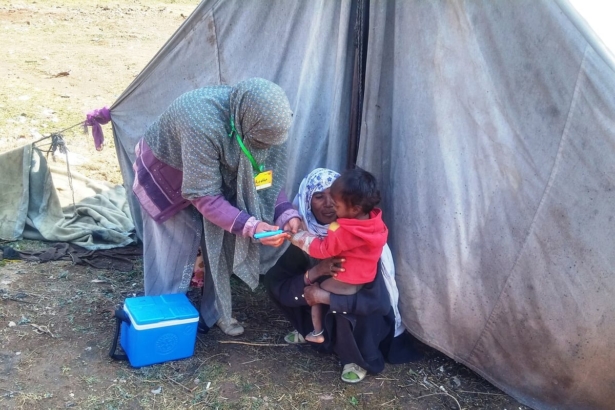
Every national campaign aims to reach more than 45 million children below five. Over 400,000 frontline health workers carry the vaccine to communities, so each drive relies on having enough doses. This grant covers a large block of that need.
The Japan polio grant at a glance: $4.3 million, more than 28 million doses, and campaigns in 2027. Officials welcomed the increase over last year’s amount, because the virus still circulates in parts of the country.
What officials said
Ayesha Raza Farooq, the prime minister’s focal person on polio eradication, said the contribution comes at a critical time. She said every dose brings the country closer to “a polio-free Pakistan.” The money arrives as Pakistan steps up efforts to end the disease, she added. She also expressed gratitude to Japan’s government and public for standing by Pakistan.
Japan’s ambassador, Akamatsu Shuichi, noted that his country has backed Pakistan’s polio work since 1996, alongside UNICEF and other partners. He described the larger grant as proof of that ongoing support. Japan, he added, backs the goal of ending transmission by the end of 2027.
Yusuke Shinozaki, chief representative of the Japan International Cooperation Agency in Pakistan, praised the government, frontline workers and partners for keeping campaigns on track. He hoped they would continue until no child suffers from polio.
Pernille Ironside, the UNICEF representative in Pakistan, called Japan a steadfast partner. She said the money would help sustain the high-quality drives needed to interrupt transmission.
Years of Japanese support
Japan has contributed more than $248 million through UNICEF in grants and loans for Pakistan’s vaccination work since 1996. That record made it one of the longest-standing international partners in the campaign. The newly signed grant pays for both the purchase and the delivery of vaccines.
For now, the Japan polio grant secures a large share of the doses for 2027. However, the end goal still depends on reaching children in insecure areas, where access remains the hardest challenge.
We welcome your contributions! Submit your blogs, opinion pieces, press releases, news story pitches, and news features to opinion@minutemirror.com.pk and minutemirrormail@gmail.com