
Summary
- ISLAMABAD/KARACHI: The ongoing movement of cargo containers to block routes ahead of the October 4 march has reportedly caused serious disruption to the supply chain, with congestion at Karachi Port raising concerns about the movement of essential commodities, including wheat.
- Despite the availability of wheat stocks, traders have expressed concern that transportation restrictions and disruptions to the supply chain could prevent the commodity from reaching flour mills and markets in a timely manner.
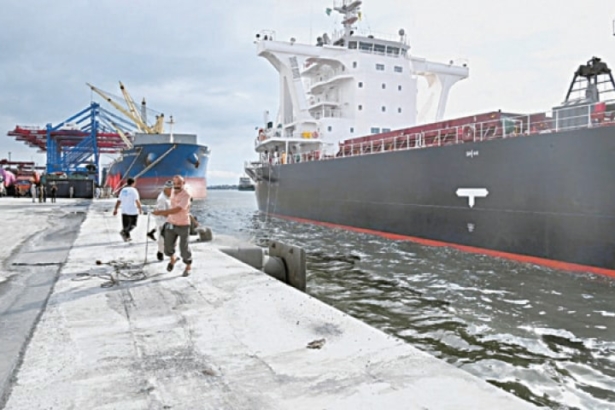
- Karachi Port plays a critical role in the country’s supply chain, handling a substantial volume of imported goods and cargo destined for markets across Pakistan.
ISLAMABAD/KARACHI: The ongoing movement of cargo containers to block routes ahead of the October 4 march has reportedly caused serious disruption to the supply chain, with congestion at Karachi Port raising concerns about the movement of essential commodities, including wheat.
According to sources, more than 2,000 cargo containers have been seized or placed at strategic points as part of measures to restrict movement towards Islamabad. The disruption has had an impact far beyond the capital, with a significant buildup of containers and cargo reported at Karachi Port.
The situation has created difficulties for transporters and traders seeking to move imported and locally supplied goods from the port to markets in northern parts of the country. Truck operators are reportedly reluctant to take their vehicles on northern routes because of concerns that their trucks could be stopped or seized.
As a result, large quantities of goods are reportedly remaining at the port, creating pressure on storage and transportation networks and slowing the movement of cargo through one of Pakistan’s major trade gateways.
The disruption has also raised concerns over food supplies in Sindh, particularly wheat and flour. Traders and market representatives have warned that prolonged transportation problems could affect the availability and prices of essential food items.
According to the figures cited by sources, Sindh currently has around 9.19 million wheat bags in stock. The wheat is priced at approximately Rs12,500 per 100 kilograms.
Despite the availability of wheat stocks, traders have expressed concern that transportation restrictions and disruptions to the supply chain could prevent the commodity from reaching flour mills and markets in a timely manner.
The situation could put additional pressure on flour prices across Sindh. If the transportation bottleneck continues, consumers may face higher prices for flour and other wheat-based products, while shortages could emerge in some areas.
Karachi Port plays a critical role in the country’s supply chain, handling a substantial volume of imported goods and cargo destined for markets across Pakistan. Any prolonged disruption to the movement of containers and trucks can therefore have consequences for businesses, consumers and commodity markets well beyond Karachi.
Traders have urged authorities to ensure that cargo containers are released and transportation routes remain accessible so that essential goods can move without unnecessary delays.
They warned that continued restrictions could increase transportation costs, create further congestion at the port and contribute to higher prices in markets across the country.
The potential impact is particularly significant for food commodities because delays in transportation can disrupt the normal movement of wheat from storage facilities to mills and from mills to wholesale and retail markets.
Market participants have called for immediate steps to restore the normal flow of commercial traffic and prevent the situation from developing into a broader supply crisis.
The disruption comes at a time when consumers are already sensitive to changes in food prices. Any prolonged interruption in the wheat supply chain could therefore place additional pressure on household budgets.
Traders said that timely clearance of cargo and restoration of regular trucking operations would be essential to prevent further accumulation of goods at Karachi Port.
They also stressed that measures taken for maintaining law and order should not unnecessarily obstruct the transportation of food and other essential commodities.
Authorities have yet to provide a complete assessment of the financial and supply-chain impact of the reported container restrictions. However, traders maintain that the longer the bottleneck continues, the greater the risk of disruption to wheat supplies and prices across Sindh and other parts of the country.
We welcome your contributions! Submit your blogs, opinion pieces, press releases, news story pitches, and news features to opinion@minutemirror.com.pk and minutemirrormail@gmail.com