Summary
- HAVANA: Millions of Cubans were left without electricity after the country’s national power grid collapsed late Sunday, triggering another nationwide blackout and deepening an energy crisis that has already strained daily life across the Caribbean island.
- The blackout affected much of the island, home to nearly 10 million people, and comes after three nationwide power failures in July, raising fresh concerns about the reliability of Cuba’s ageing electricity infrastructure.
- The latest nationwide blackout underscores the growing challenges facing Cuba’s energy sector as economic pressures, ageing infrastructure and fuel shortages continue to test the resilience of the country’s electricity network.
HAVANA: Millions of Cubans were left without electricity after the country’s national power grid collapsed late Sunday, triggering another nationwide blackout and deepening an energy crisis that has already strained daily life across the Caribbean island.
The state-owned power operator, Union Eléctrica de Cuba, confirmed the grid failure in brief statements posted on social media but did not immediately disclose the cause of the latest outage or provide a timeline for restoring electricity.
The blackout affected much of the island, home to nearly 10 million people, and comes after three nationwide power failures in July, raising fresh concerns about the reliability of Cuba’s ageing electricity infrastructure.
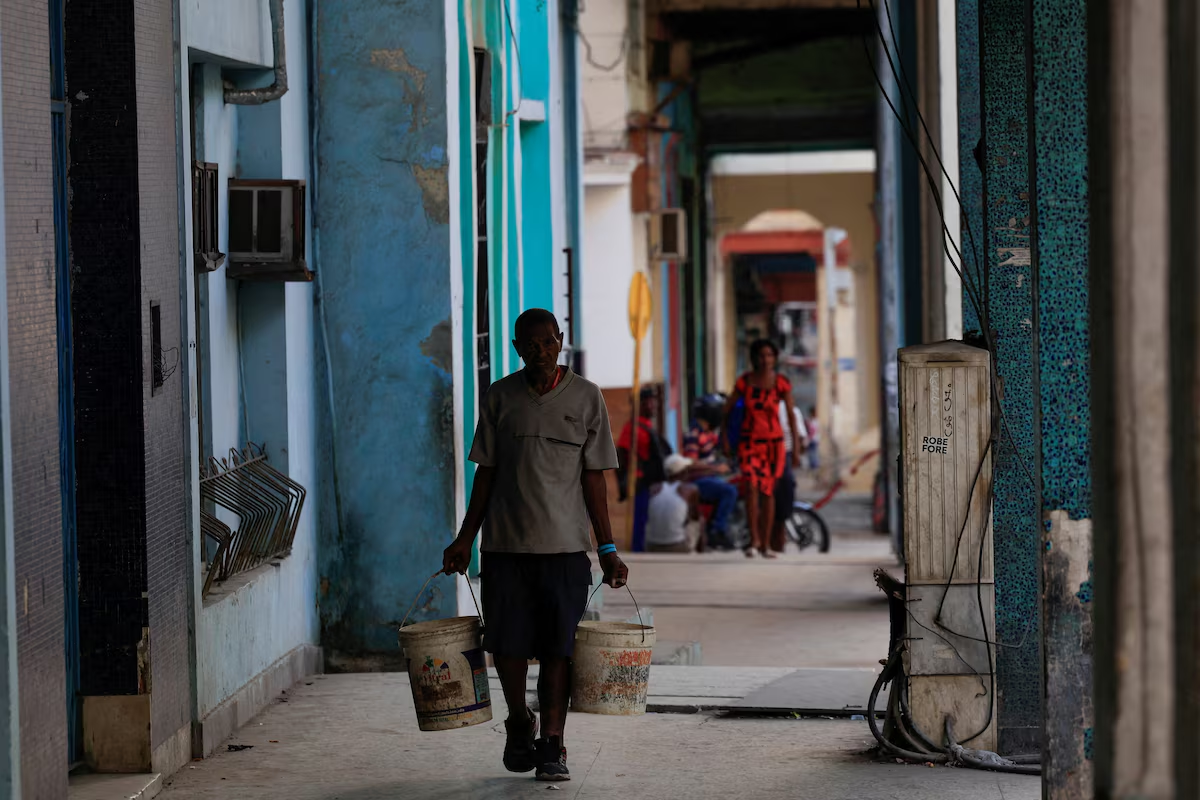
Residents in Havana and other major cities reported streets falling into darkness as homes, businesses and public services were left without power. The repeated outages have disrupted transportation, communications and essential services, adding to the hardships already faced by many Cubans.
Energy experts say the country’s power system has come under increasing pressure as fuel supplies continue to shrink. Cuba has struggled to secure sufficient oil imports following tighter US sanctions and a reduction in support from traditional suppliers.
The situation worsened after the United States imposed an oil blockade under President Donald Trump following Washington’s recognition of political changes in Venezuela earlier this year. Venezuela had long been Cuba’s primary source of crude oil, while fuel shipments from Mexico have also declined amid growing US pressure.
With limited access to imported fuel, many of Cuba’s ageing thermal power plants have been forced to operate below capacity, making the national grid increasingly vulnerable to large-scale failures.
In response to the worsening crisis, Havana has cautiously begun opening parts of its tightly controlled energy sector. The government recently approved its first foreign-backed fuel import venture and authorized nearly 200 Cuban businesses to participate in wholesale fuel distribution in an effort to improve fuel availability.
Despite those reforms, analysts warn that restoring stability to Cuba’s electricity system will require significant investment in modern infrastructure and a more reliable supply of fuel.
Authorities have not yet announced when power will be fully restored, while emergency teams continue working to stabilize the grid.
The latest nationwide blackout underscores the growing challenges facing Cuba’s energy sector as economic pressures, ageing infrastructure and fuel shortages continue to test the resilience of the country’s electricity network. With blackouts becoming increasingly frequent, many residents fear the crisis could worsen unless long-term solutions are found.
We welcome your contributions! Submit your blogs, opinion pieces, press releases, news story pitches, and news features to opinion@minutemirror.com.pk and minutemirrormail@gmail.com