Summary
- Every monsoon season, cities like Lahore, Multan, Faisalabad, Hyderabad and Sukkur face urban flooding when drains fail to handle the water.
- Every year, weak buildings, electric poles and trees fall in strong winds.
- Drains in major cities need to be cleared before the rain falls, not after water is already standing in the streets.
July 25, 2026
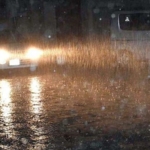
The Pakistan Meteorological Department has given a clear warning. Heavy monsoon rains, thunderstorms and strong winds will hit most of the country from July 24 to July 28. Sindh, Punjab, Khyber Pakhtunkhwa, Balochistan, Gilgit-Baltistan and Azad Kashmir are all on the forecast list. This is not a small warning. It is a signal that the country needs to prepare now, not after the flooding starts.
The pattern is familiar. Every monsoon season, cities like Lahore, Multan, Faisalabad, Hyderabad and Sukkur face urban flooding when drains fail to handle the water. Every year, weak buildings, electric poles and trees fall in strong winds. Every year, people in the mountains of Gilgit-Baltistan and Azad Kashmir face landslides and flash floods on slippery roads. These are not surprises anymore. They are known risks, and known risks can be managed if the response starts early.
This time, the warning has come with enough notice. Provincial governments and disaster authorities have reportedly been placed on alert, and rescue teams and drainage machinery are said to be on standby. This is a good start. But standby is not the same as action. Drains in major cities need to be cleared before the rain falls, not after water is already standing in the streets. Weak buildings and old electric poles in flood-prone areas need urgent inspection now.
Ordinary citizens also have a role to play. Farmers should secure their crops and move livestock to safer ground. Families living near canals, rivers and low-lying areas should keep emergency supplies ready and know their nearest safe shelter. Tourists heading to Gilgit-Baltistan, Hunza, Skardu or Neelum Valley should check road conditions before travelling and avoid unnecessary risks during heavy rain.
We cannot control the weather. But it can control how ready it is when the weather turns dangerous. The five days ahead will test how well lessons from past floods have actually been learned.
We welcome your contributions! Submit your blogs, opinion pieces, press releases, news story pitches, and news features to opinion@minutemirror.com.pk and minutemirrormail@gmail.com