Summary
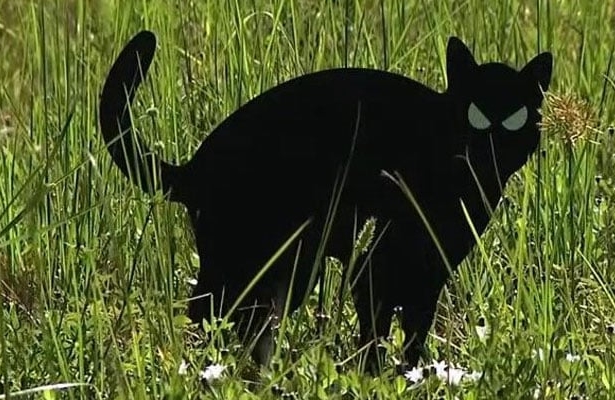
- A strange wildlife-related incident has emerged from Cape Coral, Florida, where cat cutouts have reportedly been installed on two vacant plots of land in an apparent attempt to scare away rare burrowing owls.
- The incident has drawn attention because burrowing owls are a protected species in Florida and are considered an important part of the state’s wildlife ecosystem.
- Wildlife advocates hope that greater public awareness, responsible pet ownership and cooperation with conservation authorities can help protect burrowing owls and ensure that the rare species continues to survive in its natural habitat.
A strange wildlife-related incident has emerged from Cape Coral, Florida, where cat cutouts have reportedly been installed on two vacant plots of land in an apparent attempt to scare away rare burrowing owls.
Wildlife experts believe the unusual measure may have been taken to prevent the owls from settling on the properties before construction work begins. The incident has drawn attention because burrowing owls are a protected species in Florida and are considered an important part of the state’s wildlife ecosystem.
According to local volunteers, six fake cat cutouts were placed on one of the vacant plots near a burrowing owl’s nest. The life-sized images appear to have been positioned deliberately to create the impression that cats are present in the area.
The two plots were recently sold, and wildlife advocates believe the new owners may have adopted the unusual tactic in an effort to discourage additional owls from establishing burrows on the properties. The owners are reportedly preparing the land for future construction, making the presence of protected birds a potential concern.
Burrowing owls live underground and are known for making their homes in burrows rather than trees. Unlike many other owl species, they spend considerable time on the ground and around their burrows. Their unusual lifestyle makes them particularly vulnerable to predators, human activity and changes to their habitat.
Cats are among the major predators of burrowing owls. As a result, wildlife experts believe the cat cutouts may have been placed on the plots to make the birds feel threatened and encourage them to leave the area.
However, the unusual method has raised concerns among wildlife conservationists. In Florida, burrowing owls receive special protection under federal law. Interfering with their burrows, disturbing the birds or attempting to remove them without the required authorization can be illegal.
Wildlife conservation volunteers have expressed concern that property owners are taking extreme measures to protect their land from protected species instead of working with relevant authorities and wildlife experts.
Conservation groups have emphasized that landowners should seek appropriate guidance before carrying out construction or other activities in areas occupied by burrowing owls. Since the species is legally protected, property owners may be required to obtain permission before disturbing their habitat or taking actions that could affect the birds.
The incident has also highlighted the broader challenges faced by wildlife in rapidly developing areas. As vacant plots are sold and developed, animals that have established habitats on the land can come into conflict with construction plans. Conservationists say that protecting wildlife requires balancing development with legal and environmental responsibilities.
Volunteers working for wildlife protection organizations have urged residents to take greater responsibility for safeguarding the rare birds. They have specifically appealed to residents to keep their pet cats indoors so that they do not pose a threat to burrowing owls and other vulnerable wildlife.
The unusual sight of fake cats on vacant plots has therefore become more than a curious local incident. It has drawn attention to the continuing struggle between property development and wildlife conservation in Florida.
Wildlife advocates hope that greater public awareness, responsible pet ownership and cooperation with conservation authorities can help protect burrowing owls and ensure that the rare species continues to survive in its natural habitat.
We welcome your contributions! Submit your blogs, opinion pieces, press releases, news story pitches, and news features to opinion@minutemirror.com.pk and minutemirrormail@gmail.com