Summary
- Companies in Thailand, Malaysia, Singapore, Indonesia and Brazil will also need US export licences before acquiring advanced chips amid concerns that the technology could be diverted to China.
- US lawmakers are also considering additional legislation to strengthen oversight of semiconductor exports including measures to track chips and prevent smuggling, review changes to export rules and encourage allies to restrict exports of advanced chipmaking equipment to China.
- The combination of leadership uncertainty, export restrictions and questions about the future of AI investment has made Nvidia’s latest earnings announcement particularly significant for investors.
Nvidia is preparing to release its third-quarter financial results after the close of US markets with investors closely watching the company’s performance amid major leadership upheaval and growing uncertainty over its future.
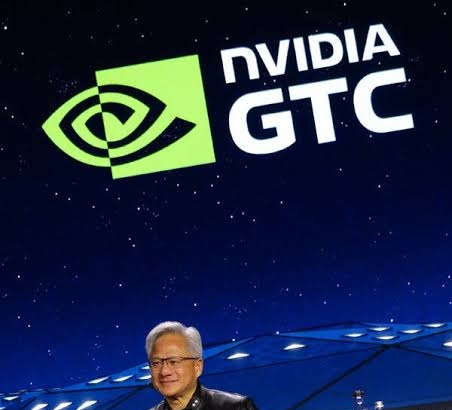
The earnings announcement marks the chipmaker’s first results since the sudden departure of chief executive Jensen Huang whose leadership played a central role in Nvidia’s growth and the global artificial intelligence boom.
According to the report, Huang resigned last week following revelations about alleged extramarital relationships including one involving Chinese businesswoman Alice Huang. The developments have also drawn the attention of US intelligence agencies which are reportedly examining the extent of her alleged connections with China’s Ministry of State Security and whether any information may have been shared with Beijing.
Chief Financial Officer Colette Kress has taken over as interim chief executive and is expected to face questions from investors during the earnings briefing. Among the issues likely to arise is whether Huang could return to the company. Nvidia’s board has indicated that his return is not under consideration, although some industry figures have publicly supported the idea.
The leadership change has also shifted investor attention beyond the company’s profit margins to broader questions about Nvidia’s future and the sustainability of the artificial intelligence ecosystem it has helped finance.
Washington announced further controls on Monday aimed at preventing Chinese companies from accessing powerful American-made AI chips through overseas data centres. Under the new rules, data centres outside the United States that provide substantial computing capacity to China-based companies have 90 days to obtain export licences or face possible restrictions.
Companies in Thailand, Malaysia, Singapore, Indonesia and Brazil will also need US export licences before acquiring advanced chips amid concerns that the technology could be diverted to China.
China’s Foreign Ministry said on Tuesday that Beijing would take necessary measures to protect its interests.
US lawmakers are also considering additional legislation to strengthen oversight of semiconductor exports including measures to track chips and prevent smuggling, review changes to export rules and encourage allies to restrict exports of advanced chipmaking equipment to China.
The combination of leadership uncertainty, export restrictions and questions about the future of AI investment has made Nvidia’s latest earnings announcement particularly significant for investors.
We welcome your contributions! Submit your blogs, opinion pieces, press releases, news story pitches, and news features to opinion@minutemirror.com.pk and minutemirrormail@gmail.com