Summary
- Global oil prices edged higher on Tuesday as renewed attacks on vessels in the Strait of Hormuz heightened concerns about possible supply disruptions while expectations of a decline in US crude inventories provided additional support to the market.
- The gains remained limited, however, as expectations of increased oil supplies from the Middle East raised the possibility of a global market surplus.
- The International Energy Agency said last Friday that the global oil market could return to a surplus in the fourth quarter as Middle Eastern exports recover faster than demand.
Global oil prices edged higher on Tuesday as renewed attacks on vessels in the Strait of Hormuz heightened concerns about possible supply disruptions while expectations of a decline in US crude inventories provided additional support to the market.
Brent crude futures settled 70 cents or 0.76%, higher at $93.14 per barrel. US West Texas Intermediate (WTI) crude gained 29 cents or 0.34% to close at $86.01.
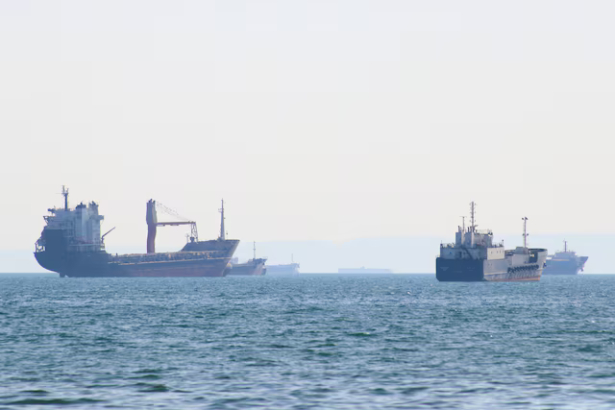
Tensions escalated after Iranian drones struck a US military radar system in Bahrain on Tuesday. Meanwhile, the crew of a vessel travelling through the Strait of Hormuz remained unaccounted for after the ship was hit twice.
The US military also carried out fresh airstrikes on Iran targeting a missile-launch site on Qeshm Island. Washington described the operation as retaliation for Iranian attacks on US personnel and assets.
US President Donald Trump separately said his administration was taking seriously the possibility that Iran could be planning an attack involving a so-called dirty bomb in Washington.
Market analysts said the escalating rhetoric and military activity were keeping traders concerned about potential disruptions to oil transportation and production. However, expectations of sufficient global supplies were preventing prices from making larger gains.
The International Energy Agency said last Friday that the global oil market could return to a surplus in the fourth quarter as Middle Eastern exports recover faster than demand. Shipping costs for oil tankers have also fallen sharply from record levels suggesting that concerns over maritime transportation risks are easing.
Meanwhile, Yemen’s Iran-aligned Houthi group claimed on Tuesday that it had launched five drones towards two pumping stations along Saudi Arabia’s strategically important East-West oil pipeline in the Riyadh area. The group has made several similar claims this month amid continuing hostilities involving the Saudi-led coalition in Yemen.
Investors were also awaiting fresh US oil inventory figures. Data from the American Petroleum Institute was expected later on Tuesday, followed by figures from the Energy Information Administration on Wednesday.
A Reuters poll indicated that US crude inventories were likely to have declined during the previous week.
Separately, US Strategic Petroleum Reserve stocks fell to 276.4 million barrels last week, their lowest level since August 1982. The drawdown forms part of an agreement to release 172 million barrels from the reserve.
Despite Tuesday’s increase, Brent has dropped around 20% this month while WTI has declined 16% reflecting the competing pressures of geopolitical tensions and expectations of an oil supply surplus.
We welcome your contributions! Submit your blogs, opinion pieces, press releases, news story pitches, and news features to opinion@minutemirror.com.pk and minutemirrormail@gmail.com