Summary
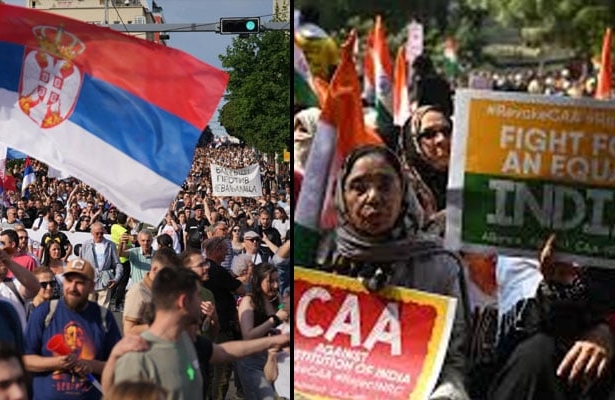
- More than 107 major anti-government protest movements were recorded across more than 57 countries over the course of a year, reflecting growing public frustration over rising living costs, economic hardship, political distrust and disputes over democratic rights.
- Disputes over democratic processes and public participation in political decision-making also contributed to unrest in several countries.
- They also underscore the importance of examining local political and economic conditions to understand the causes and intensity of public unrest in individual countries.
More than 107 major anti-government protest movements were recorded across more than 57 countries over the course of a year, reflecting growing public frustration over rising living costs, economic hardship, political distrust and disputes over democratic rights.
Inflation, rising fuel prices, housing costs and austerity measures emerged as major drivers of public unrest. Political distrust and concerns over democratic freedoms also fuelled demonstrations in several parts of the world.
According to a global protest database maintained by a US-based research organisation, the recorded movements spanned Asia, Europe, Africa, the Middle East and Latin America. However, the causes, nature and intensity of the protests varied from country to country.
In Europe, economic pressures and housing problems were among the key factors behind demonstrations. Rising living expenses and difficulties in accessing affordable housing contributed to public dissatisfaction, prompting people to protest against government policies.
In Asia, concerns over electoral transparency and political representation played a significant role in mobilising protesters. Disputes over democratic processes and public participation in political decision-making also contributed to unrest in several countries.
In Africa, rising fuel prices and the growing cost of living emerged as major sources of public frustration. Economic difficulties placed additional pressure on households, leading to demonstrations against government policies and worsening living conditions.
In the Middle East, protests were linked to a range of issues, including wars, economic sanctions and complaints about public services. Political and economic challenges further intensified dissatisfaction among sections of the population.
Meanwhile, demonstrations in Latin America focused on fiscal policies, education and political instability. Disagreements over government decisions and economic management contributed to public mobilisation in the region.
The global protest records indicate that public dissatisfaction has become a significant challenge for governments across different regions. While economic pressures remain a common factor, political grievances and demands for democratic rights have also played an important role in shaping protest movements.
The findings highlight the diverse reasons behind anti-government demonstrations worldwide. They also underscore the importance of examining local political and economic conditions to understand the causes and intensity of public unrest in individual countries.
We welcome your contributions! Submit your blogs, opinion pieces, press releases, news story pitches, and news features to opinion@minutemirror.com.pk and minutemirrormail@gmail.com