Summary
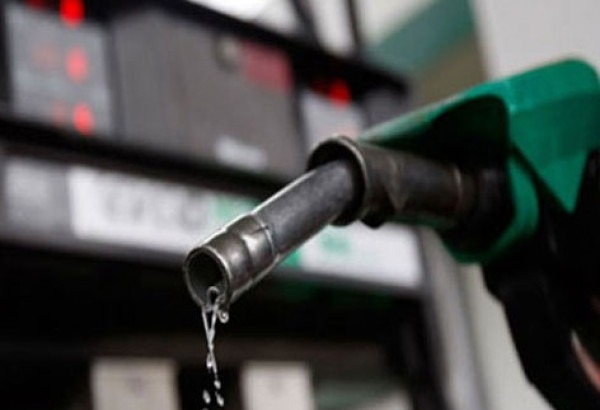
- Federal Petroleum Minister Ali Pervez Malik has said that petrol prices in Pakistan are lower than those in Bangladesh, Sri Lanka, and Türkiye, while remaining almost equal to prices in India.
- He also announced proposed reforms aimed at increasing local diesel production and reducing dependence on imported fuel.
- The meeting was chaired by Petroleum Minister Ali Pervez Malik, where officials examined different mechanisms for determining fuel prices in line with international market trends.
Federal Petroleum Minister Ali Pervez Malik has said that petrol prices in Pakistan are lower than those in Bangladesh, Sri Lanka, and Türkiye, while remaining almost equal to prices in India. He also announced proposed reforms aimed at increasing local diesel production and reducing dependence on imported fuel.
The statement was made during an important meeting of the committee formed by the Prime Minister to review reforms in the petroleum pricing system. The meeting was chaired by Petroleum Minister Ali Pervez Malik, where officials examined different mechanisms for determining fuel prices in line with international market trends.
According to the committee’s recommendations, the Oil and Gas Regulatory Authority (OGRA) will be encouraged to publish daily Platts price data on its website. The move is intended to improve transparency and allow consumers to better understand the international benchmarks used in petroleum price calculations.
The committee also agreed to introduce a more transparent and rules-based system for managing the Petroleum Price Stabilization Fund. Officials emphasized reducing discretionary decisions and improving accountability in the petroleum sector. The digitalization of the oil supply chain was also discussed as a way to enhance monitoring and efficiency.
Ali Pervez Malik said that uncertainty in global energy markets following developments related to the Strait of Hormuz has increased the importance of improving Pakistan’s energy planning. He referred to a KPMG study, stating that Pakistan’s petrol prices are lower than several regional countries and nearly equal to India’s prices.
The minister added that amendments have been proposed to the refinery policy to increase domestic diesel production. According to him, boosting local production will strengthen Pakistan’s energy security and help reduce reliance on imported diesel.
The government is also considering a major investment plan for upgrading existing refineries. The Petroleum Division has submitted a detailed proposal suggesting measures that could pave the way for approximately $6 billion in refinery investment.
Under the proposed changes, new clauses may be added to the Refinery Policy 2023, along with a seven-year incentive package for refinery modernization. Officials believe these measures will encourage investment and provide legal protections to investors.
Following approval, local refineries and OGRA are expected to sign upgrade agreements. The modernization process aims to enable refineries to produce Euro-5 standard fuel, increase petrol and high-speed diesel output, and reduce furnace oil production.
The proposal also requires refineries to finalize upgrade agreements with OGRA within 90 days of notification. The government expects these reforms to improve fuel quality, strengthen energy independence, and create a more efficient petroleum sector.
We welcome your contributions! Submit your blogs, opinion pieces, press releases, news story pitches, and news features to opinion@minutemirror.com.pk and minutemirrormail@gmail.com