Summary
- “There is no alternative to continued engagement, dialogue and diplomacy to achieve a shared goal of peace in the region,” the Foreign Office statement read, emphasizing that further military provocations would permanently undermine regional stability.
- Apache helicopter and subsequent Iranian attacks on Gulf bases the Islamabad MoU was designed to act as a foundational framework for long-term peace.
- military strike looming, the international community now watches the Gulf with intense scrutiny, as the failure of the Islamabad MoU threatens to ignite a volatile, multi-front war with global economic and security consequences.
The fragile peace in the Middle East is rapidly untangling after a severe escalation of military hostilities between the United States and Iran. A sequence of rapid-fire overnight strikes has pushed the region to the brink of a broader conflict, dismantling months of delicate diplomatic progress. The crisis deepened significantly on Wednesday when U.S. President Donald Trump, speaking at a NATO summit in Ankara, explicitly declared that the existing ceasefire was over and warned that the U.S. military would strike Iranian assets hard within hours.
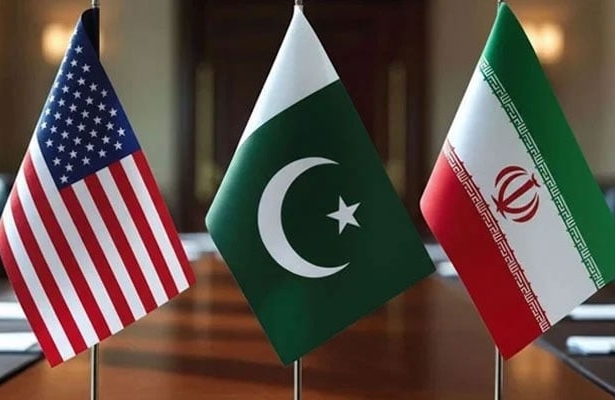
The latest flare-up began in the strategic waters of the Strait of Hormuz, a vital chokepoint for global energy supplies, where Iranian forces targeted at least three commercial vessels. The maritime aggression triggered a sweeping military response from Washington, which launched extensive airstrikes against Iranian positions on Tuesday. Tehran swiftly retaliated, expanding the theater of conflict by striking targets across several Gulf nations. As regional stability hangs in the balance, Pakistan has stepped forward to express profound anxiety over the escalating warfare. In an official statement released on Wednesday, Islamabad’s Foreign Office (FO) warned that a renewed, full-scale war serves nobody’s strategic interests. The Pakistani government issued an urgent appeal to both Washington and Tehran, urging maximum operational restraint to protect regional security.
“There is no alternative to continued engagement, dialogue and diplomacy to achieve a shared goal of peace in the region,” the Foreign Office statement read, emphasizing that further military provocations would permanently undermine regional stability.
Pakistan’s diplomatic intervention is particularly critical given its unique geopolitical position. Throughout the year, Islamabad has served as a central, trusted intermediary between the United States and Iran. Its neutral mediation efforts have previously garnered explicit praise from the Trump administration. In its Wednesday address, the Foreign Office reiterated that Pakistan remains fully prepared to resume its role as a mediator to de-escalate the current crisis before it spirals out of control. The sudden return to open warfare marks a devastating setback for the Islamabad Memorandum of Understanding (MoU). Signed just months prior following a similar exchange of strikes which had been triggered by the downing of a U.S. Apache helicopter and subsequent Iranian attacks on Gulf bases the Islamabad MoU was designed to act as a foundational framework for long-term peace.
The agreement had established a strict 60-day window intended for both global powers to negotiate a comprehensive resolution regarding Iran’s controversial nuclear program and associated geopolitical grievances. Crucially, the memorandum mandated a total cessation of all hostile military actions across all active fronts. Any lingering hopes of salvaging the agreement were abruptly dashed by President Trump’s blunt rhetoric in Ankara. Dismissing the utility of ongoing diplomatic channels, Trump expressed deep skepticism about the Iranian leadership.
The American president characterized further diplomatic engagement as a waste of time, signaling a complete shift from negotiation back to active military deterrence. With a promised U.S. military strike looming, the international community now watches the Gulf with intense scrutiny, as the failure of the Islamabad MoU threatens to ignite a volatile, multi-front war with global economic and security consequences.
We welcome your contributions! Submit your blogs, opinion pieces, press releases, news story pitches, and news features to opinion@minutemirror.com.pk and minutemirrormail@gmail.com