Summary
- Pakistan’s poverty rate increased to 29% in 2025 while economic inequality between wealthy and low-income households also widened according to a World Bank report.
- Pakistan’s score on the inequality index increased from 28.4 in 2018 to 32.7 in 2025, indicating a widening economic divide.
- With lower-income families bearing a larger share of these difficulties, poverty and inequality remain major concerns for Pakistan’s economic and social development.
The report shows that the national poverty rate stood at 22% in 2019 meaning it rose by seven percentage points over the following six years.
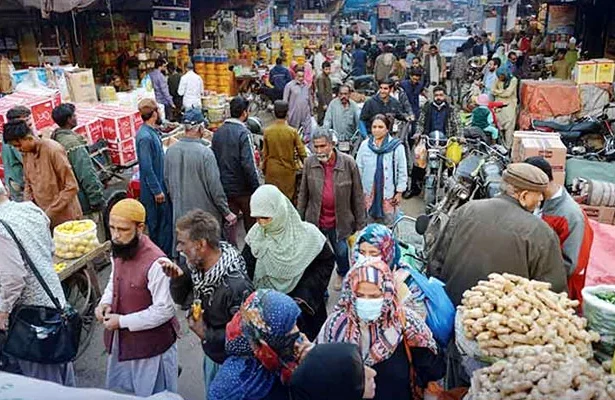
The World Bank attributed the increase to persistent inflation rising prices of essential goods, unequal distribution of resources and declining earnings among workers. These pressures have affected lower-income households most severely, making it increasingly difficult for them to meet their basic needs.
According to the report approximately 72.6 million people in Pakistan were living below the poverty line during 2024 highlighting the scale of the country’s economic challenges.
The report also pointed to a significant rise in income inequality between richer and poorer sections of society. Pakistan’s score on the inequality index increased from 28.4 in 2018 to 32.7 in 2025, indicating a widening economic divide.
It further noted that around 23% of Pakistan’s population equivalent to more than 57.6 million people, was earning less than $3 a day.
The findings highlight the combined impact of rising living costs unequal access to economic resources and pressure on workers’ incomes. With lower-income families bearing a larger share of these difficulties, poverty and inequality remain major concerns for Pakistan’s economic and social development.
The figures also underline the need to address the factors contributing to financial hardship, particularly the rising cost of essential goods and the limited earning capacity of vulnerable households.
We welcome your contributions! Submit your blogs, opinion pieces, press releases, news story pitches, and news features to opinion@minutemirror.com.pk and minutemirrormail@gmail.com