Summary
- Empire Builders and Cultural Crossroads Beyond tribal structure, Pashtuns have repeatedly reshaped the political landscape of the Indian subcontinent and Central Asia.
- By drawing an artificial boundary between Afghanistan and British India (now Pakistan), the British divided ancestral Pashtun communities, establishing a geopolitically sensitive frontier that continues to spark debate and shape regional politics today.
- Through renewed calls for broad political dialogue rather than bureaucratic divisions, modern Pashtun communities continue to rely on unified assemblies to safeguard their cultural heritage, self-determination, and historical voice in a changing region.
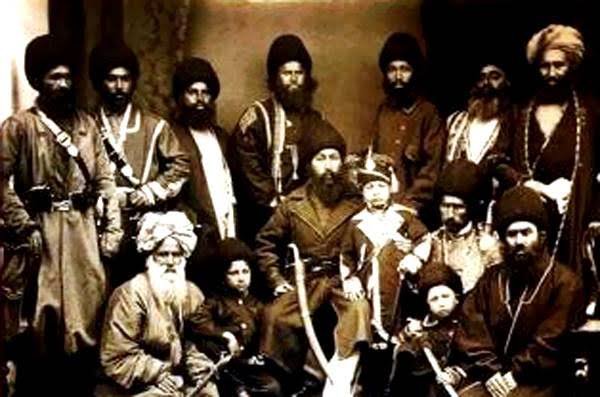
The Pashtuns represent one of the most populous indigenous groups across South and Central Asia, predominantly in Afghanistan and Pakistan. Their social backbone relies on interconnected lineages, extended families, clans, and tribal alliances rather than a centralized political authority.
From major confederations like the Durrani and Ghilzai to influential communities such as the Yusufzai, Afridi, Mohmand, Khattak, Wazir, and Mahsud, Pashtun society is a rich tapestry of overlapping regional, religious, and civic loyalties. At the core of their culture is Pashtunwali, an ancient honor code governing daily life through principles of hospitality, courage, asylum, and restorative justice. Historically, community issues and disputes were negotiated collectively through jirgas, or assemblies of local elders, maintaining order through consensus.
Empire Builders and Cultural Crossroads
Beyond tribal structure, Pashtuns have repeatedly reshaped the political landscape of the Indian subcontinent and Central Asia.
Sultanate Dynasties: The Lodi dynasty established its rule over the Delhi Sultanate, paving the way for intricate South Asian governance structures.
Administrative Reforms: Imperial leader Sher Shah Suri founded the Sur Empire in North India, pioneering sweeping reforms in taxation, infrastructure development, and currency.
Empire Founding: In the 18th century, Mirwais Hotak challenged Safavid Persian dominance, while Ahmad Shah Durrani established the Durrani Empire in 1747, laying the groundwork for modern Afghanistan.
This history is far more than military conquest. Pashtun territories served as vital crossroads where Persian, Turkic, Indian, and Islamic traditions converged. Consequently, their heritage spans beyond warrior traditions. It thrives in rich oral poetry, musical compositions, complex embroidery, craftsmanship, and trade networks.
The Borderlands and Modern Challenges
The 19th century brought prolonged conflict with British imperial forces along the northwestern frontier. A pivotal turning point arrived with the demarcation of the Durand Line in 1893. By drawing an artificial boundary between Afghanistan and British India (now Pakistan), the British divided ancestral Pashtun communities, establishing a geopolitically sensitive frontier that continues to spark debate and shape regional politics today.
In recent weeks, administrative re-alignments and border disputes in provinces like Balochistan and Khyber Pakhtunkhwa have reignited local debate. Prominent political and tribal leaders have voiced strong resistance to state restructuring, asserting that top-down administrative decisions risk erasing historical identities. Through renewed calls for broad political dialogue rather than bureaucratic divisions, modern Pashtun communities continue to rely on unified assemblies to safeguard their cultural heritage, self-determination, and historical voice in a changing region.
We welcome your contributions! Submit your blogs, opinion pieces, press releases, news story pitches, and news features to opinion@minutemirror.com.pk and minutemirrormail@gmail.com