
Summary
- Officials attributed the rise in revenue to higher passport issuance, expanding overseas employment opportunities, increased international travel and improvements in service delivery.
- Passport home delivery services are also being introduced for applicants within Pakistan and overseas, offering another option for receiving completed documents.
- With rising passport demand and continued investment in technology and infrastructure, the department is seeking to strengthen its position as a modern public service institution while increasing its contribution to Pakistan’s national revenue.
ISLAMABAD: The Directorate General of Immigration and Passports has emerged as a major revenue-generating government institution, contributing billions of rupees to the national exchequer following an increase in passport issuance and the introduction of administrative and digital reforms under Federal Interior Minister Mohsin Naqvi.
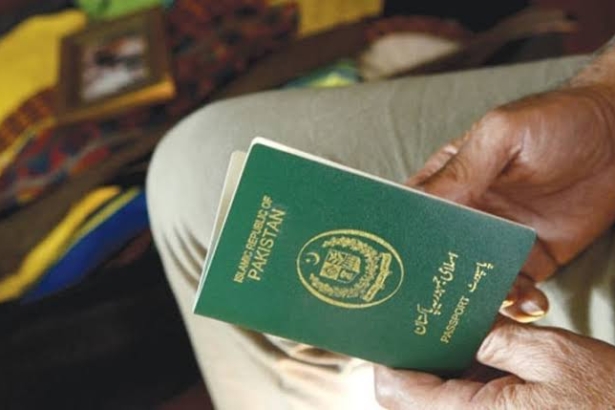
According to official figures, the department generated approximately Rs220 billion in revenue over the past five years, while its annual contribution to the national treasury has reached around Rs40 billion. The figures highlight the department’s growing financial significance and the increasing demand for Pakistani passports.
Officials attributed the rise in revenue to higher passport issuance, expanding overseas employment opportunities, increased international travel and improvements in service delivery.
Under the leadership of Mohsin Naqvi, the department has issued approximately 13 million passports over the past two years, significantly exceeding its historical annual average of 3.4 million passports. According to the figures shared by officials, around 55 million passports have been issued over the past 17 years, while cumulative revenue since the department’s establishment has surpassed Rs295.7 billion.
The increase in passport applications has placed additional demands on the department, prompting efforts to expand operational capacity, modernise services and reduce processing times.
One of the key areas of reform involves digital facilitation for overseas Pakistanis. Officials said the online passport portal has been used by more than 130,000 Pakistanis living abroad, enabling applicants to access services without necessarily visiting passport offices in person.
Other initiatives include the introduction of e-gates, improvements to the department’s mobile application, biometric data uploading facilities and real-time application tracking. These measures are intended to make the application process more convenient and improve transparency.
The department has also expanded its physical infrastructure to accommodate the growing number of applicants. According to officials, 32 new passport counters have been established nationwide, bringing the total number to 232.
To improve production capacity, the department has also procured 10 advanced passport printers and six laminators. These additions are expected to support faster processing and help address delays caused by the increasing volume of applications.
Another significant change concerns passport delivery timelines. Officials said the processing period for ordinary passports has been reduced from 21 days to 14 days, allowing applicants to receive their documents more quickly.
The government is also pursuing a transition towards cashless transactions across passport offices. Under the proposed arrangements, digital payments would reduce reliance on cash handling and improve financial accountability.
In addition, authorities plan to complete the transition to e-passports, which are designed to strengthen document security and help prevent fraudulent activities. The initiatives are also intended to curb the influence of unauthorised agents who exploit applicants seeking faster passport services.
Passport home delivery services are also being introduced for applicants within Pakistan and overseas, offering another option for receiving completed documents.
Meanwhile, officials believe the proposed establishment of the Pakistan Immigration, Passport and Visa Authority could further strengthen the institution’s financial autonomy, administrative capacity and international credibility.
The Interior Ministry maintains that the ongoing reforms are designed to improve public facilitation while ensuring that the department remains financially sustainable.
With rising passport demand and continued investment in technology and infrastructure, the department is seeking to strengthen its position as a modern public service institution while increasing its contribution to Pakistan’s national revenue.
We welcome your contributions! Submit your blogs, opinion pieces, press releases, news story pitches, and news features to opinion@minutemirror.com.pk and minutemirrormail@gmail.com