


Summary
- Prime Minister Shehbaz Sharif has directed authorities to prepare a comprehensive gas load management plan for the upcoming winter and take advance measures to ensure uninterrupted gas supplies and imports.
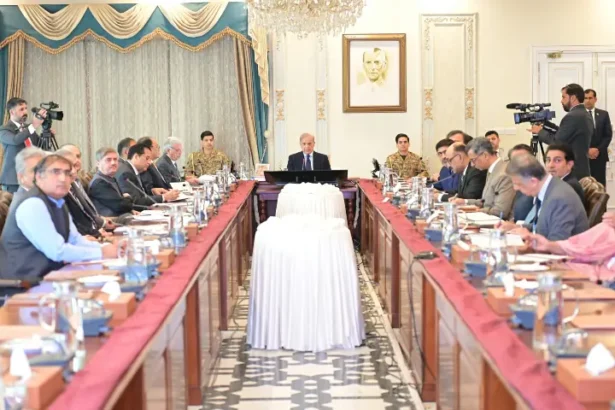
- The prime minister issued the instructions while chairing a meeting on winter gas management in Islamabad on Tuesday.
- The move could encourage consumers to shift towards electricity-based heating options and reduce pressure on the gas system during winter.
Prime Minister Shehbaz Sharif has directed authorities to prepare a comprehensive gas load management plan for the upcoming winter and take advance measures to ensure uninterrupted gas supplies and imports.
The prime minister issued the instructions while chairing a meeting on winter gas management in Islamabad on Tuesday. He also ordered authorities to launch a public awareness campaign so consumers are informed about the expected supply situation and measures under the winter plan.
Officials briefed the meeting on preparations being made to manage gas demand during the colder months. Under the proposed arrangements, domestic consumers will receive priority for locally produced gas, while imported re-gasified liquefied natural gas (RLNG) will mainly be allocated to power plants and industrial consumers.
The government also plans to encourage households to use alternative energy sources instead of locally supplied gas for some purposes. Authorities are working on measures to maintain uninterrupted transmission from gas reserves located in the northern parts of the country.
A proposal to provide bank financing for electric appliances used for water and space heating is also being considered. The move could encourage consumers to shift towards electricity-based heating options and reduce pressure on the gas system during winter.
The government is facing difficulties in finalising the LNG import programme for December through February because of disruptions in international energy markets linked to the US-Iran conflict. The situation has affected major oil and gas shipping routes, including the Strait of Hormuz and Bab al-Mandab, while higher energy prices have added to import pressures.
Gas companies and the Petroleum Division had sought at least 22 LNG cargoes for the three-month winter period. However, the energy task force is currently working on arrangements for around 10 to 12 cargoes on a best-effort basis, using diplomatic and logistical channels to secure supplies.
Each spot LNG cargo is estimated to cost about $100 million, meaning the final import plan will require coordination with the Finance Ministry and the State Bank of Pakistan. The decision is also important for the country’s external account position and commitments agreed with the International Monetary Fund.
Officials expect actual imports could remain lower, potentially at around seven to eight cargoes during the three winter months, depending on international market conditions.
Meanwhile, the Oil and Gas Regulatory Authority has increased the price of liquefied petroleum gas by eight per cent for October. The latest increase has raised the price of an 11.8-kilogram domestic LPG cylinder by around Rs244.
We welcome your contributions! Submit your blogs, opinion pieces, press releases, news story pitches, and news features to opinion@minutemirror.com.pk and minutemirrormail@gmail.com